Bob Schwartz

Tag: politicians

Heschel on Politicians

“I consider the heart of the problem of human existence is to fight against mendacity, against lying. I would like to use a word which may be too often used, but it’s still the most important word—and that is “honesty,” or “sincerity,” or “trust.””

“I am against the word “politician.” I have great respect for the word “statesman.” It’s very interesting, the word “statesman” is not used. “Politician” is used. “Statesman” is a great word….The task of a statesman is to be a leader, to be an educator, and not to cater to what people desire almost against their own interests. To be a leader.”


From an interview with Abraham Joshua Heschel at the University of Notre Dame in 1967, published in Moral Grandeur and Spiritual Audacity, essays by Heschel.

Q: Your esteem for religious colleagues is greater than your esteem for politicians. I think you once said that the most depressing word in the English language is “politician.” Politicians are necessary, aren’t they? Why disparage them?

A: No, I’m not against politicians in their vocation. I’m against politicians in their tactics. Against the very meaning, the semantic meaning of the word “politician.”

Now let me elaborate. It may take me two minutes to explain it to you. I consider the heart of the problem of human existence is to fight against mendacity, against lying. I would like to use a word which may be too often used, but it’s still the most important word—and that is “honesty,” or “sincerity,” or “trust.”

The tragedy of our time is, we don’t trust each other. The Golden Rule today is not “Love thy neighbor as thyself” but “Suspect thy neighbor as thyself.” We suspect all politicians because we know in advance they don’t mean what they say and they don’t say what they mean.

Q: Is that justified? That suspicion?

A: Ask the people in the country. You’re asking me? I’m only one citizen. I have only one vote.

If you go to the country and ask them, “What do you think of politicians?,” they’ll say a politician is a synonym for a person who is not necessarily truthful. Right? Do you mind my elegant way of speaking?

We have a type of politician today—I suppose we’ve always had, and I don’t want to identify anyone—who tells us that he is doing what the peoples want. And, in fact, that may be so. Of course, that doesn’t reach to the question of leadership. Should our leaders give us what we want, or is there some other role?

I think there is another role. By the way, I am against the word “politician.” I have great respect for the word “statesman.” It’s very interesting, the word “statesman” is not used. “Politician” is used. “Statesman” is a great word.

Now, about doing what the people want—I’ll tell you what the people want. One of the major inclinations in every human being is a desire to be deceived. Self-deception is a major disease.

Q: To be told what one wants to hear?

A: Yes. You want to be deceived.

The task of a statesman is to be a leader, to be an educator, and not to cater to what people desire almost against their own interests. To be a leader.

The great question of today is mendacity. We live in a world full of lies. And the tragedy that our young people—or maybe it’s good—the young people have discovered how many lies are uttered daily and every moment. They can’t stand it. If there’s anything they despise, it’s someone who is phony, false rhetoric. We call it “credibility gap”—what we mean really is lying.

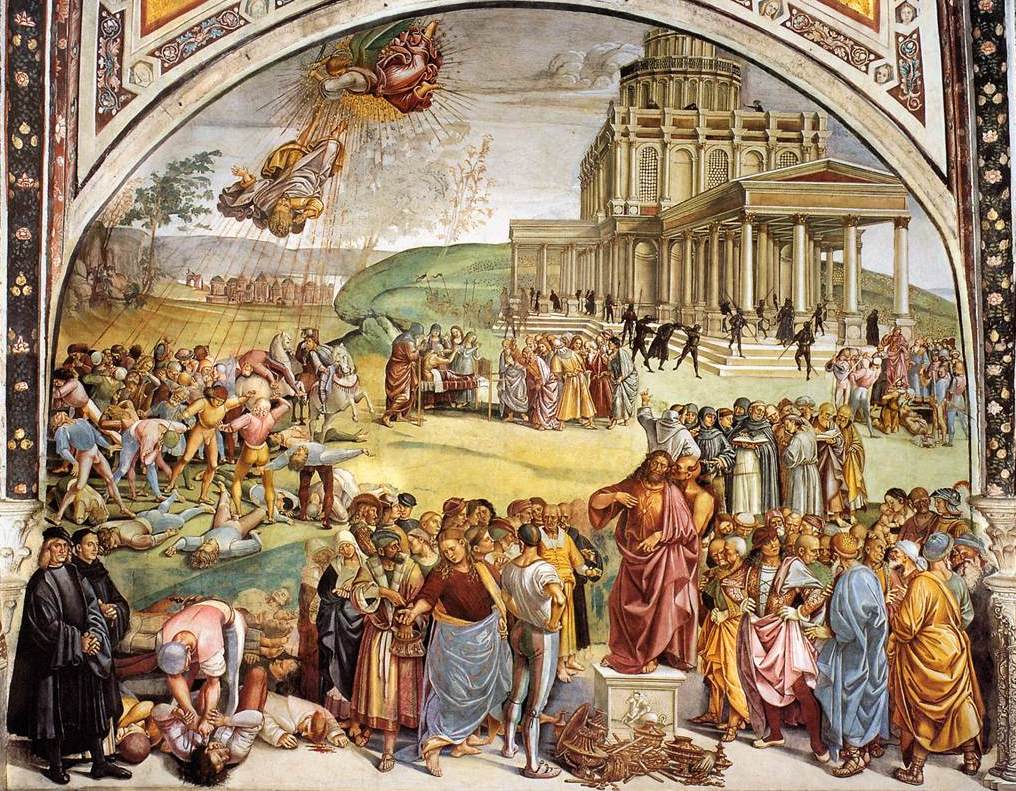
Can political leaders be agents of the devil or be the Antichrist?

The Preaching of the Antichrist (1550-1504) by Luca Signorelli

From a religious and theological standpoint, the answer depends entirely on how a specific tradition interprets scripture and spiritual concepts. Throughout history, political figures have frequently been viewed through spiritual lenses—both as divinely appointed leaders and as tools of evil.

Here is a breakdown of how theology, history, and political science view these concepts:

  1. Theological Perspectives

    Christian Eschatology (End-Times Theology)

    In Christian scripture, concepts regarding political power and demonic influence show up in a few distinct ways:

    • The “Antichrist” as a Specific Political Leader: In the Book of Revelation, the “Beast” is described as a powerful global leader who deceives nations, demands worship, and persecutes believers. Many eschatological interpretations (especially Premillennialism) teach that the ultimate Antichrist will be a charismatic political or geopolitical leader who rises to world power.
    • “Antichrist” as a Spirit or Ideology: In the Epistles of John (1 John 2:18, 4:3), the term antichrist is used in the plural to refer to anyone—leader or not—who denies Jesus or opposes divine truth. In this view, it refers to a spirit of deception rather than a single individual.
    • Demonology and Influence: Some Christian traditions hold that political leaders, given their immense power, can be spiritually corrupted, influenced, or manipulated by evil forces (“principalities and powers,” as mentioned in Ephesians 6:12).

    Other Religious Views
    • Islam: Islamic eschatology includes the figure of Al-Masih ad-Dajjal (the False Messiah), a deceptive global figure who will claim divinity and mislead humanity before the return of Isa (Jesus).
    • Judaism: Jewish theology generally does not include a concept of the Antichrist or a personified devil governing human politics. Evil is understood as human free will choosing to turn away from God’s commandments.

  2. The Historical Pattern

    Throughout history, people have routinely labeled prominent or tyrannical political leaders as “agents of the devil” or “the Antichrist.” This label has historically been applied to:

    • Roman Emperors: Early Christians viewed emperors like Nero and Domitian as apocalyptic figures due to their brutal persecution of the church. Many biblical scholars believe the “number of the beast” (666 or 616) was a coded reference to Neron Caesar.
    • Protestant Reformation Figures: During the Reformation, Protestant reformers (including Martin Luther) frequently labeled the Pope as the Antichrist, while the Catholic Church viewed Protestant leaders in a similar light.
    • 20th-Century Dictators: Leaders who oversaw mass atrocities, such as Adolf Hitler or Joseph Stalin, were widely described by religious communities as demonic or demonic-influenced due to the immense scale of their moral evil.

  3. Secular and Sociological Viewpoints

    From a secular or political science perspective:

    • Metaphor for Absolute Power: Terms like “agent of the devil” function as moral categories to express deep concern over extreme authoritarianism, demagoguery, or genocide.
    • Political Rhetoric: Labeling an opponent as “evil” or “the Antichrist” is often used as a powerful rhetorical tool to delegitimize a leader, mobilize followers, or frame a political conflict in absolute, non-negotiable terms.

    Gemini 3.6 Flash

Heschel on Politicians

“I consider the heart of the problem of human existence is to fight against mendacity, against lying. I would like to use a word which may be too often used, but it’s still the most important word—and that is “honesty,” or “sincerity,” or “trust.””

“I am against the word “politician.” I have great respect for the word “statesman.” It’s very interesting, the word “statesman” is not used. “Politician” is used. “Statesman” is a great word….The task of a statesman is to be a leader, to be an educator, and not to cater to what people desire almost against their own interests. To be a leader.”

From an interview with Abraham Joshua Heschel at the University of Notre Dame in 1967, published in Moral Grandeur and Spiritual Audacity, essays by Heschel.

Q: Your esteem for religious colleagues is greater than your esteem for politicians. I think you once said that the most depressing word in the English language is “politician.” Politicians are necessary, aren’t they? Why disparage them?

A: No, I’m not against politicians in their vocation. I’m against politicians in their tactics. Against the very meaning, the semantic meaning of the word “politician.”

Now let me elaborate. It may take me two minutes to explain it to you. I consider the heart of the problem of human existence is to fight against mendacity, against lying. I would like to use a word which may be too often used, but it’s still the most important word—and that is “honesty,” or “sincerity,” or “trust.”

The tragedy of our time is, we don’t trust each other. The Golden Rule today is not “Love thy neighbor as thyself” but “Suspect thy neighbor as thyself.” We suspect all politicians because we know in advance they don’t mean what they say and they don’t say what they mean.

Q: Is that justified? That suspicion?

A: Ask the people in the country. You’re asking me? I’m only one citizen. I have only one vote.

If you go to the country and ask them, “What do you think of politicians?,” they’ll say a politician is a synonym for a person who is not necessarily truthful. Right? Do you mind my elegant way of speaking?

We have a type of politician today—I suppose we’ve always had, and I don’t want to identify anyone—who tells us that he is doing what the peoples want. And, in fact, that may be so. Of course, that doesn’t reach to the question of leadership. Should our leaders give us what we want, or is there some other role?

I think there is another role. By the way, I am against the word “politician.” I have great respect for the word “statesman.” It’s very interesting, the word “statesman” is not used. “Politician” is used. “Statesman” is a great word.

Now, about doing what the people want—I’ll tell you what the people want. One of the major inclinations in every human being is a desire to be deceived. Self-deception is a major disease.

Q: To be told what one wants to hear?

A: Yes. You want to be deceived.

The task of a statesman is to be a leader, to be an educator, and not to cater to what people desire almost against their own interests. To be a leader.

The great question of today is mendacity. We live in a world full of lies. And the tragedy that our young people—or maybe it’s good—the young people have discovered how many lies are uttered daily and every moment. They can’t stand it. If there’s anything they despise, it’s someone who is phony, false rhetoric. We call it “credibility gap”—what we mean really is lying.
All Politicians Are Progressives

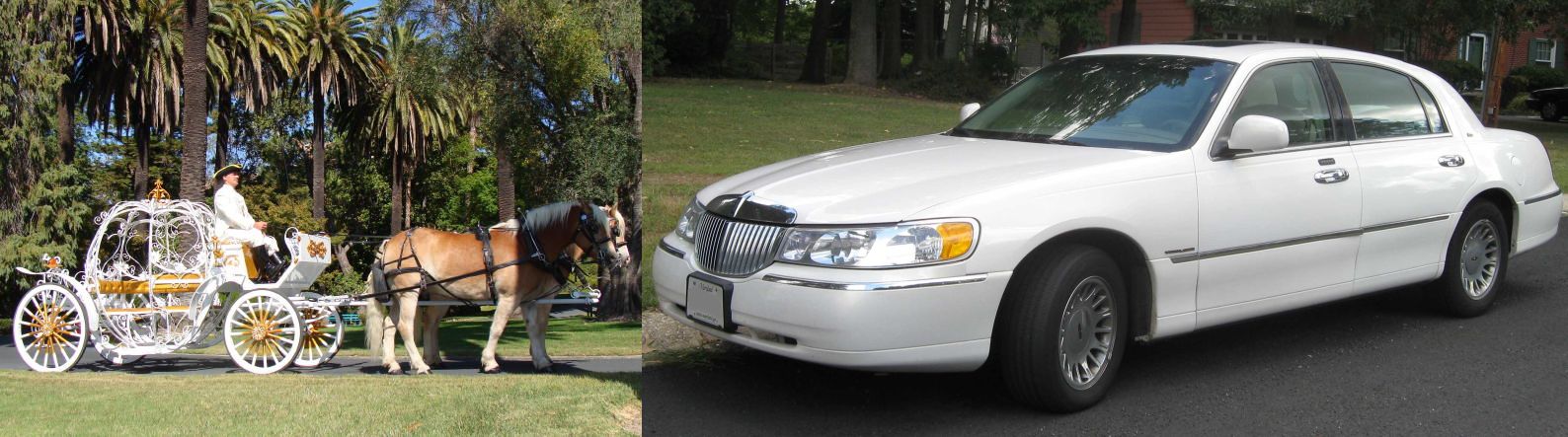
Horse Carriage - Lincoln
Either you embrace innovation or you don’t. And so all politicians who use an iPhone or love the NFL are progressives.

Innovation has two faces. One is the innovation that solves problems. The other is innovation that just does stuff—even if you didn’t ask for it, even if you never knew you wanted it or needed it. Moving from horse transport to self-contained mechanical carriages solved a basic problem, but over time added features some of which are useful and practical for the central function, others of which are just enjoyment that becomes essential. Because times change, as do human expectations and aspirations. Innovation feeds that.

So unless you are a politician who doesn’t have a smartphone, or who doesn’t use a phone or computer at all, or doesn’t drive a tricked-out luxury car (it counts even if you have a driver), you are the beneficiary and tacit endorser of innovation. Which is why when some politicians hearken back to the comprehensive goodness of 18th century America—or 19th or 20th, depending on the issue—it is dangerously silly. This economic Drecession requires an embrace of 360 degree innovation, not just untaxing and unburdening ourselves to prosperity. Not just churning out a generation of STEMers to magically bring us back to former glory. And not just putting digital devices in the hands of every school child either.

This is not the exclusive purview of any political party. There is a tendency, even among the most well-meaning, to take pages from a beloved playbook that are no longer viable. When the legendary coach Sid Gillman changed pro football forever in the 1950s by making the forward pass the centerpiece of the game, it was scoffed at—until he started winning championships and opponents had to permanently rethink the defensive game.

If politicians want to ride around in fancy horse-drawn carriages and send their messages by horse-carried post (if they haven’t made the Post Office disappear), that’s okay. But chances are they’ve embraced innovation in practically every minute of their lives (they love their Twitter!) because, well, it is 2013. It is 2013, everywhere, in every facet, and pretending otherwise is just horse-and-buggy policy. Or maybe just a convenient way to get elected.