John Heartfield
John Heartfield (1891–1968) was a German artist best known as a pioneer of political photomontage. He was born Helmut Herzfeld in Berlin-Schmargendorf. In 1916, as a protest against German nationalism and anti-British sentiment during World War I, he anglicized his name to John Heartfield.
Heartfield became involved with the Berlin Dada movement after the war, working alongside figures such as George Grosz, Raoul Hausmann, and Hannah Höch. He and Grosz are often credited with helping develop photomontage as a serious artistic and political medium.
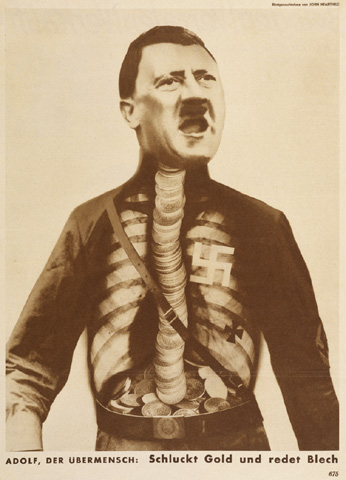
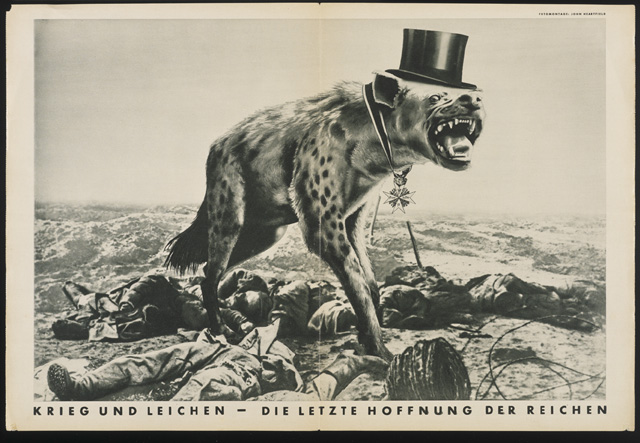
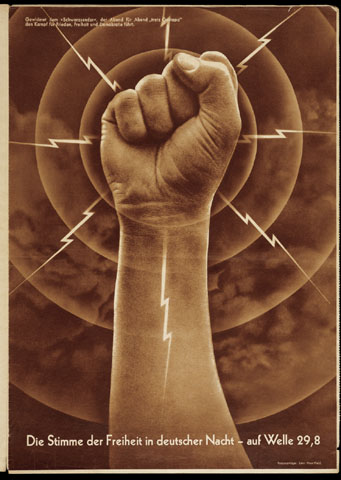
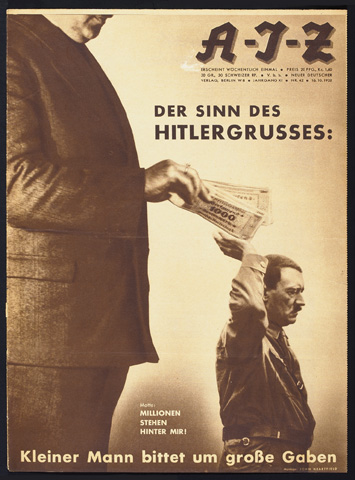
He is most famous for the biting anti-Nazi and anti-fascist photomontages he produced during the 1920s and 1930s, many of which appeared on the covers of the workers’ illustrated magazine AIZ (Arbeiter-Illustrierte-Zeitung). These works satirized Hitler, Göring, and the Nazi regime through sharp visual juxtaposition — one of his best-known images depicts Hitler with an X-ray torso revealing a spine of gold coins, captioned to suggest he was funded by big business.
When the Nazis came to power in 1933, Heartfield fled Germany, first to Prague and later to England, continuing his anti-fascist work in exile.