Bob Schwartz

Tag: exodus

Passover message: “No stranger shall you oppress, for you know the stranger’s heart, having yourselves been strangers in the land of Egypt.”

גֵ֖ר לֹ֣א תִלְחָ֑ץ וְאַתֶּ֗ם יְדַעְתֶּם֙ אֶת־נֶ֣פֶשׁ הַגֵּ֔ר כִּֽי־גֵרִ֥ים הֱיִיתֶ֖ם בְּאֶ֥רֶץ מִצְרָֽיִם׃
Exodus 23:9

One line from the Book of Exodus crystallizes our moment.

As with all biblical Hebrew, the translation is challenging and varied.


Exodus 23:9

You shall not oppress a stranger, for you know the feelings of the stranger, having yourselves been strangers in the land of Egypt. (NJPS)

You shall not oppress a resident alien; you know the heart of an alien, for you were aliens in the land of Egypt. (NRSV)

No sojourner shall you oppress, for you know the sojourner’s heart, since you were sojourners in the land of Egypt. (Robert Alter)


Alter addresses one of the translation challenges, the Hebrew word nefesh/נֶ֣פֶשׁ:

“The Hebrew is nefesh, “heart”, “life,” “inner nature,” “essential being,” “breath.””

Another word needing expansion is the Hebrew ger/גֵּ֔ר. Scholars Mark Allen Powell and Dennis R. Bratcher explain in the HarperCollins Bible Dictionary:


alien (ger): In the Bible, one who is not a member of a particular social group. Accordingly, Abraham was an alien (NRSV: “stranger”) among the Hittites at Hebron (Gen. 23:4), as were Moses in Midian (Exod. 2:22) and the Israelites in Egypt (Deut. 23:7; cf. Ruth 1:1). The Hebrew word is ger, and it has often been translated “sojourner” in English Bibles. The NRSV is inconsistent, translating it “alien” in some instances and “stranger” in others. After the settlement in Canaan, the term not only designated a temporary guest but also acquired the more specialized meaning of “resident alien,” one who lived permanently within Israel (Exod. 22:21; 23:9). No doubt because the Israelites were keenly aware of their own heritage as aliens without rights in a foreign land, they developed specific laws governing the treatment of aliens. Strangers or aliens were to be treated with kindness and generosity (Lev. 19:10, 33–34; 23:22; Deut. 14:29). The basic principle was, “You shall also love the stranger, for you were strangers in the land of Egypt” (Deut. 10:19). And, again, “You shall love the alien as yourself, for you were aliens in the land of Egypt” (Lev. 19:34)….

“Alien” or “stranger” also appears in a figurative sense, usually in appealing to the generosity and mercy of God in dealing with undeserving people (Pss. 39:12; 119:19; 1 Chron. 29:15). The idea of dwelling in a land owned by someone else is also applied theologically to the relationship of the Israelites to the land; it belonged to God and they were the strangers in it (Lev. 25:23). (emphasis added)


This Passover, we give a thought to the nefesh—heart, life, inner nature, essential being, breath—of the ger—stranger, sojourner, resident alien. As the Bible reminds us, we were strangers too.

Hag Pesach sameach.

This Passover donate to the International Rescue Committee

Passover begins on the evening of April 22, 2024.

Some people, Jews and others, believe that the Israeli strategy in Gaza is justified and that the deaths and suffering of innocent people are unfortunate collateral damage of an important goal. Some people, Jews and others, disagree.

One thing we all can agree on is that when people, especially children, suffer, justifiably or not, it is our duty to help relieve that suffering in any way we can. People of all religious traditions or none can agree on this.

The International Rescue Committee is one of the most respectable and responsible organizations in the world working on this:


The International Rescue Committee (IRC) helps people affected by humanitarian crises—including the climate crisis—to survive, recover and rebuild their lives.

Founded at the call of Albert Einstein in 1933, the IRC is now at work in over 50 crisis-affected countries as well as communities throughout Europe and the Americas.


As Jews, on Passover we recall how our storied ancestors suffered—under the hand of a wicked ruler, wandering in a desolate desert. As we have suffered and suffer still, how can we deny the suffering of others and fail to relieve it?

When the Israelites were starving in the desert, we are told that God provided manna:


In the desert the whole community grumbled against Moses and Aaron. The Israelites said to them, “If only we had died by the Lord’s hand in Egypt! There we sat around pots of meat and ate all the food we wanted, but you have brought us out into this desert to starve this entire assembly to death.” Then the Lord said to Moses, “I will rain down bread from heaven for you. The people are to go out each day and gather enough for that day. (Exodus 16:2-4)


We cannot wait for manna. It is up to you.

Please donate to International Rescue Committee. Chag Pesach sameach.
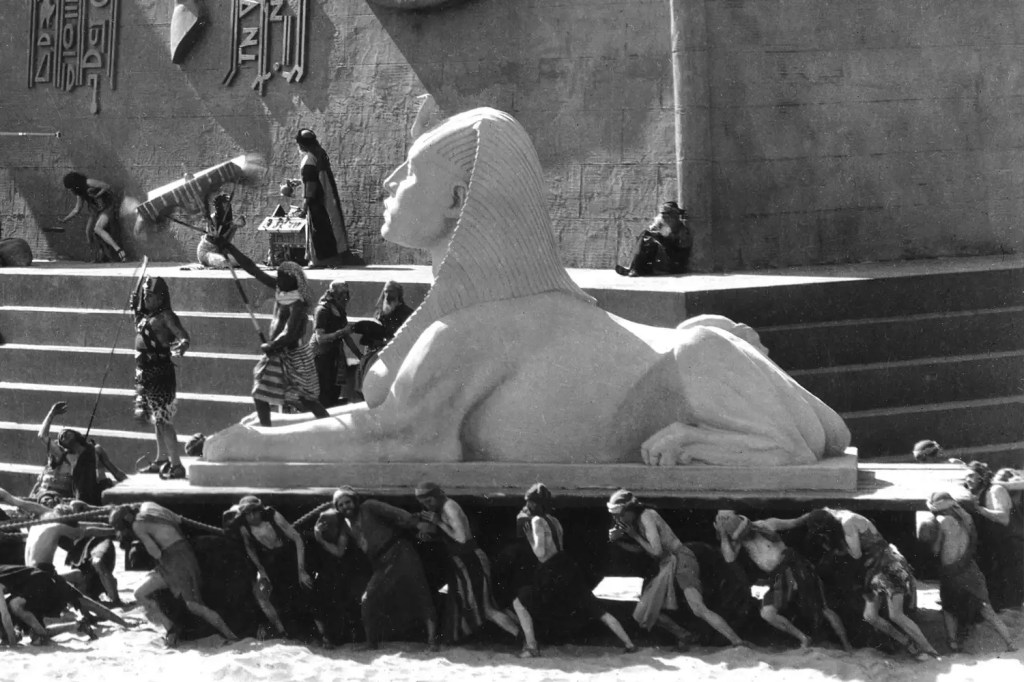
Living under an American Pharaoh: What’s a Jew to do?

It’s almost Passover, so Pharaoh is our minds. Also on our minds because we are living under an American Pharaoh—or at least a wannabe Pharaoh.

Don’t let him fool you. Just because his chief henchman is Jewish, or his son-in-law is Jewish, or some of his rich donors are Jewish, or because he says and does things that make it seem that he understands and cares about Jews and Israel (he doesn’t), he is nothing less than a Pharaoh.

So where does that leave American Jews, particularly at Passover?

It is actually not that surprising that some Jews have joined the Pharaoh’s cause. There are dramatic moments in the exodus story where Jews are willing to throw away freedom and principle for a golden calf and the comfort of the Pharaoh’s harsh protection.

And Aaron said to them, “Take off the golden rings that are on the ears of your wives, your sons, and your daughters, and bring them to me.” And all the people took off the golden rings that were on their ears and brought them to Aaron. And he took them from their hand and he fashioned it in a mold and made it into a molten calf. And they said, “These are your gods, O Israel, who brought you up from the land of Egypt.” And Aaron saw, and he built an altar before it, and Aaron called out and said, “Tomorrow is a festival to the LORD.” And they rose early on the next day, and they offered up burnt offerings and brought forward communion sacrifices, and the people came back from eating and drinking and they rose up to play.
Exodus 32:2-6

So where does that leave the Jews who do not believe in Pharaoh? We can stay and argue with those who support Pharaoh, though that has so far proven pointless. We can escape to the wilderness in search of a Promised Land of freedom and light, although by many conventions America is already the Promised Land of freedom and light.

Or we can all be tiny Moses, telling fellow Jews at Passover that worshiping Pharaoh and a golden calf and unprincipled conduct is ungodly and unholy. We cannot wait for God to intervene because God leaves it up to us. Let us not disappoint.