Can political leaders be agents of the devil or be the Antichrist?
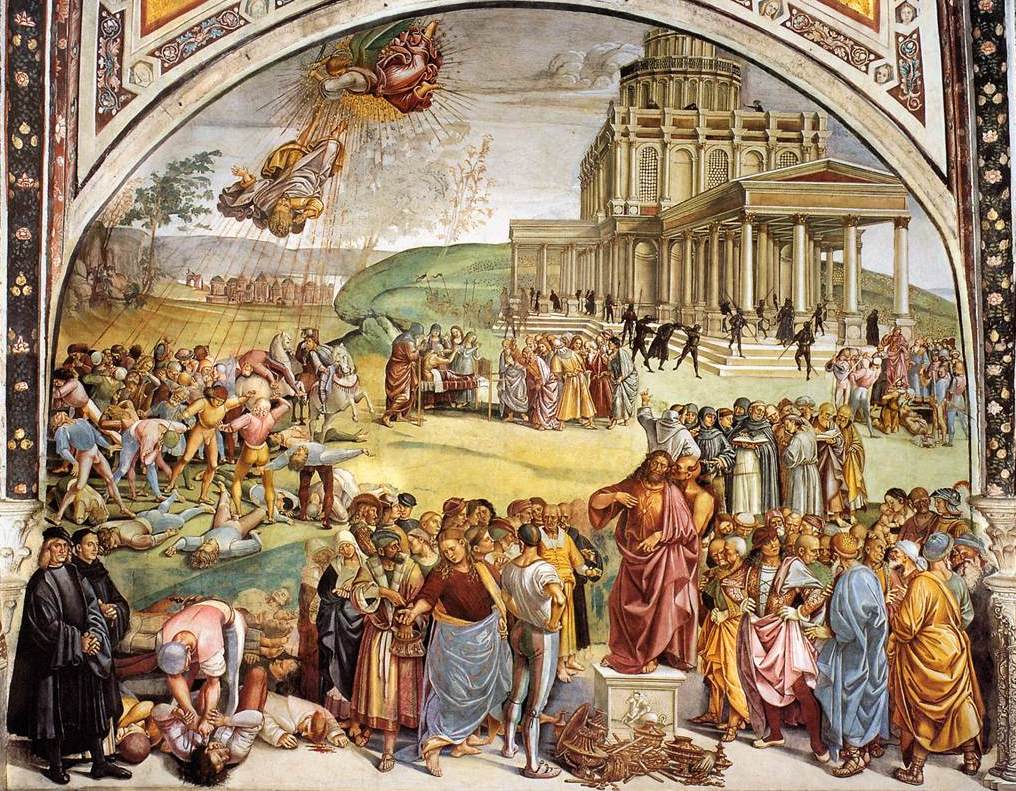
From a religious and theological standpoint, the answer depends entirely on how a specific tradition interprets scripture and spiritual concepts. Throughout history, political figures have frequently been viewed through spiritual lenses—both as divinely appointed leaders and as tools of evil.
Here is a breakdown of how theology, history, and political science view these concepts:
- Theological Perspectives
Christian Eschatology (End-Times Theology)
In Christian scripture, concepts regarding political power and demonic influence show up in a few distinct ways:
• The “Antichrist” as a Specific Political Leader: In the Book of Revelation, the “Beast” is described as a powerful global leader who deceives nations, demands worship, and persecutes believers. Many eschatological interpretations (especially Premillennialism) teach that the ultimate Antichrist will be a charismatic political or geopolitical leader who rises to world power.
• “Antichrist” as a Spirit or Ideology: In the Epistles of John (1 John 2:18, 4:3), the term antichrist is used in the plural to refer to anyone—leader or not—who denies Jesus or opposes divine truth. In this view, it refers to a spirit of deception rather than a single individual.
• Demonology and Influence: Some Christian traditions hold that political leaders, given their immense power, can be spiritually corrupted, influenced, or manipulated by evil forces (“principalities and powers,” as mentioned in Ephesians 6:12).
Other Religious Views
• Islam: Islamic eschatology includes the figure of Al-Masih ad-Dajjal (the False Messiah), a deceptive global figure who will claim divinity and mislead humanity before the return of Isa (Jesus).
• Judaism: Jewish theology generally does not include a concept of the Antichrist or a personified devil governing human politics. Evil is understood as human free will choosing to turn away from God’s commandments. - The Historical Pattern
Throughout history, people have routinely labeled prominent or tyrannical political leaders as “agents of the devil” or “the Antichrist.” This label has historically been applied to:
• Roman Emperors: Early Christians viewed emperors like Nero and Domitian as apocalyptic figures due to their brutal persecution of the church. Many biblical scholars believe the “number of the beast” (666 or 616) was a coded reference to Neron Caesar.
• Protestant Reformation Figures: During the Reformation, Protestant reformers (including Martin Luther) frequently labeled the Pope as the Antichrist, while the Catholic Church viewed Protestant leaders in a similar light.
• 20th-Century Dictators: Leaders who oversaw mass atrocities, such as Adolf Hitler or Joseph Stalin, were widely described by religious communities as demonic or demonic-influenced due to the immense scale of their moral evil. - Secular and Sociological Viewpoints
From a secular or political science perspective:
• Metaphor for Absolute Power: Terms like “agent of the devil” function as moral categories to express deep concern over extreme authoritarianism, demagoguery, or genocide.
• Political Rhetoric: Labeling an opponent as “evil” or “the Antichrist” is often used as a powerful rhetorical tool to delegitimize a leader, mobilize followers, or frame a political conflict in absolute, non-negotiable terms.
Gemini 3.6 Flash

