Bob Schwartz

Democratic Party: In boldness there is genius, in timidity there is losing
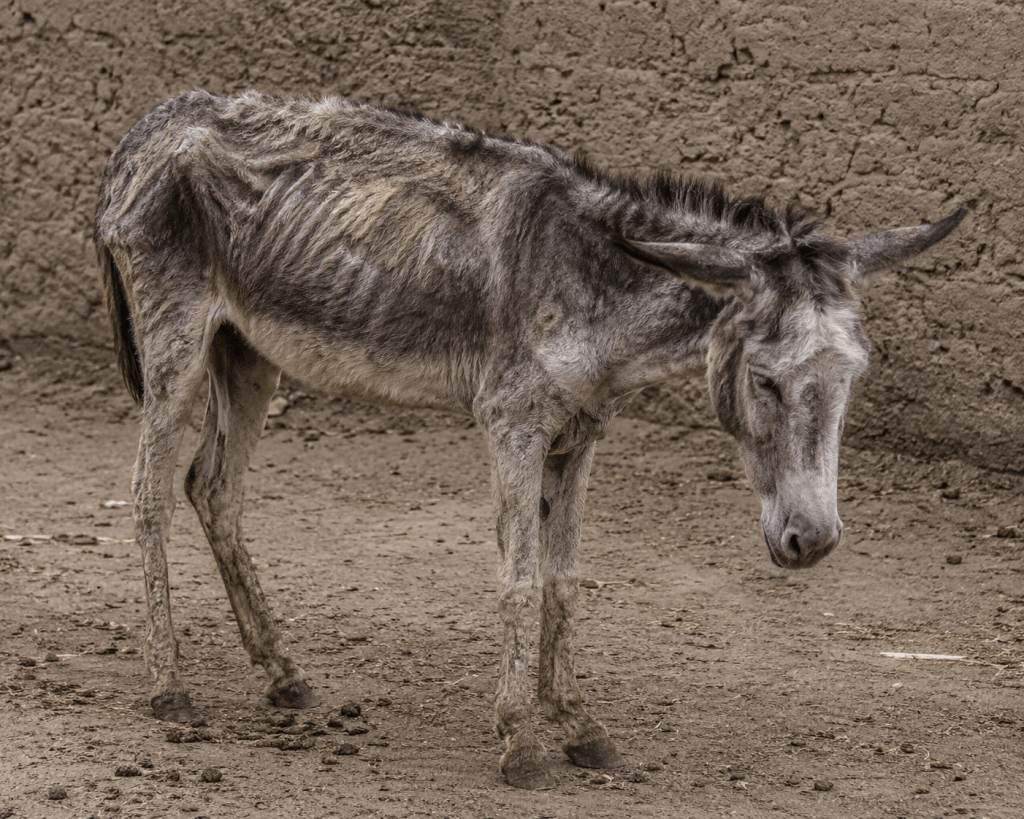
The Democratic Party is now loudly concerned that insurgent progressives running under the Democratic Socialist banner are hurting the party. As if the party isn’t hurting itself just fine.

Where to begin? Two years ago, instead of intervening, telling Biden he shouldn’t/couldn’t run for the nomination, holding a real nominating contest, and selecting a strong and charismatic candidate to defeat Trump…we know what happened. And then, as Trump set out on a mission to demolish democracy—and the White House East Wing—the Democratic Party tried to figure out what it was and how to respond. One-and-a-half years later, it is still dithering, trying to decide. When newer and younger leaders emerged, with ideas the party found too bold and risky, the party could not suppress them fast enough.

Leading to two things. One, Democrats, that is the remaining people still willing to be included in that group, are disaffected beyond disappointment, and are showing their lack of enthusiasm in a way the party understands, as donor support is cratering. Two, those newer and younger leaders are catching fire, no matter how much the party tries to put that fire out.

America desperately needs an effective opposition party in this existential crisis. The Democratic Party, as now established, is not it.

© 2026 Bob Schwartz
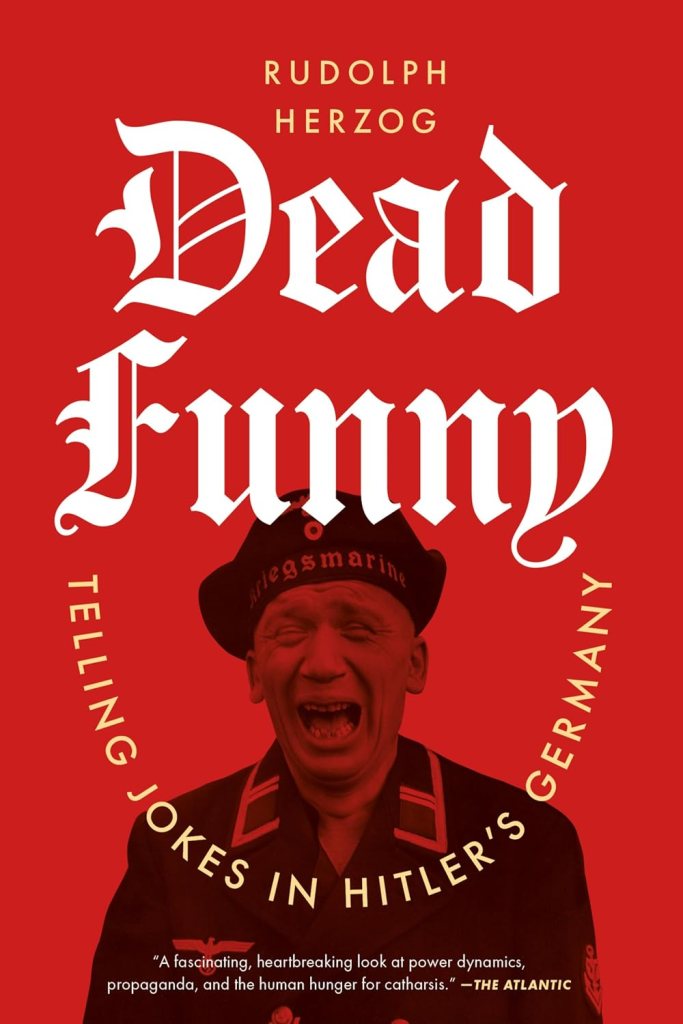
Letting Off Steam: Jokes About Hitler in Nazi Germany

Did German citizens tell jokes about Hitler during the Third Reich? Actual jokes like this:


Hitler and Göring are standing on top of the Berlin radio tower. Hitler says he wants to do something to put a smile on the Berliners’ faces. Göring says, “Why don’t you jump?”


Were these people punished? Did the jokes have any effect?

These are some of the questions addressed in Dead Funny: Telling Jokes in Hitler’s Germany by Rudolph Herzog. Herzog explains:


Contrary to a common myth, targeting Hitler using quips and jokes didn’t undermine the regime. Political jokes were not a form of resistance. They were a release valve for pent-up popular anger. People told jokes in their neighborhood bars or on the street because they coveted a moment of liberation in which they could let off a bit of steam. That was ultimately in the interests of the Nazi leadership. Consequently, the Führer and his henchmen rarely cracked down on joke-tellers and if they did, the punishments were mild – mostly resulting in a small fine. In the last phase of the war when the regime felt threatened by “dissenters,” though, this changed. A handful of death sentences were handed down to joke-tellers, though the true reason for this was rarely their actual “crime.” The jokes were taken as a pretext to remove blacklisted individuals – people the Nazis feared or detested because of who they were rather than because of what they had done. Among others, these included Jews, left-wing artists, and Catholic priests. As I show in my book, a staunch party member could walk free after telling a joke, whereas a known “dissenter” was executed for exactly the same quip.


We can’t deny the significance of laughing and humor during the hardest times, personal and social. Jokes, like other subversive art, have a way of digging deep and even encouraging change. There is the example of the king’s fool, who was allowed to say things that others feared to say. But make no mistake, when the king was unhappy, not even the fool was protected from retribution and punishment.