Bob Schwartz

National Donut Day

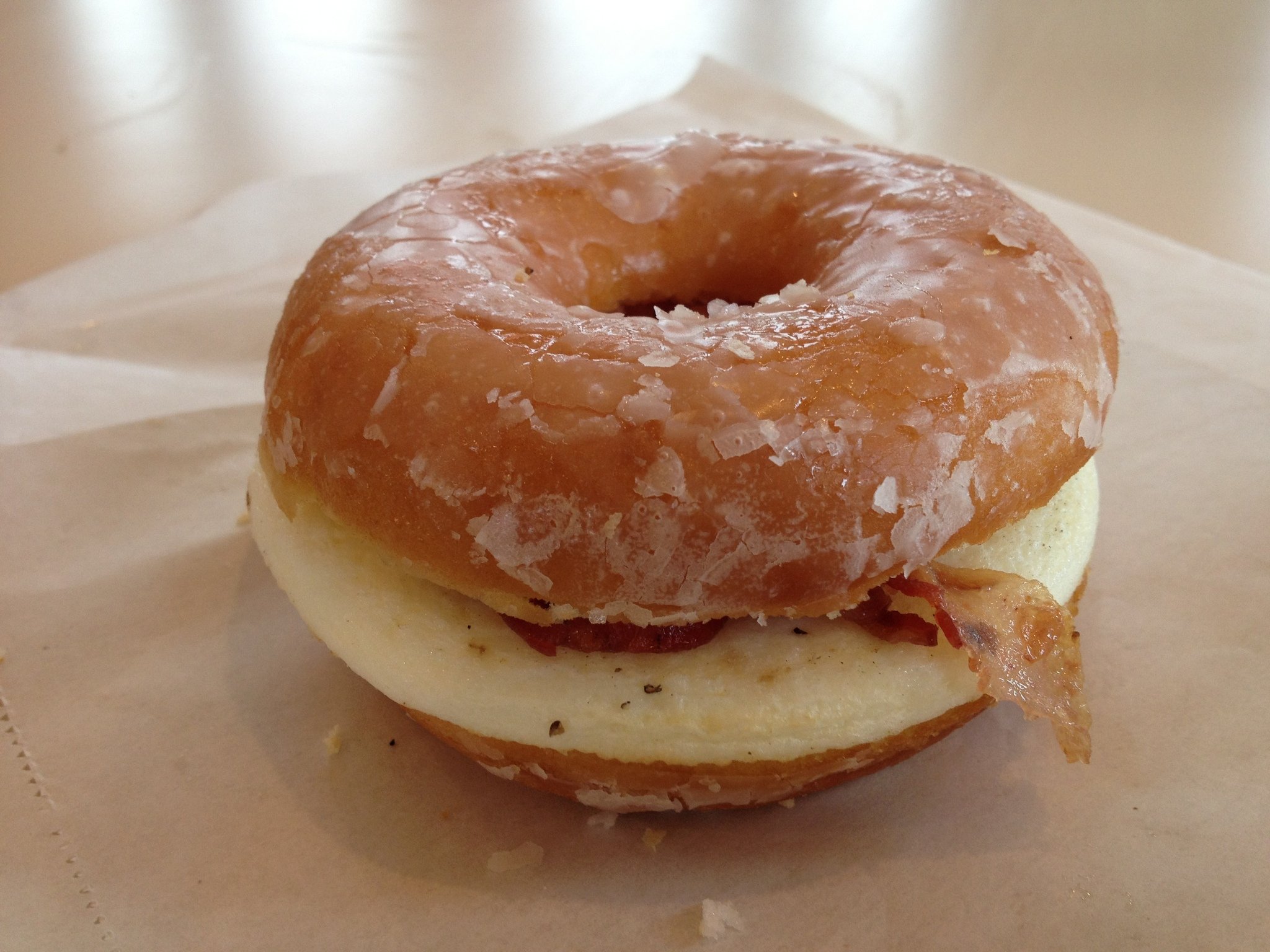
Glazed Donut Breakfast Sandwich

Today is National Donut Day, celebrated on the first Friday in June:


In 1938, the first-ever National Donut Day was celebrated in Chicago, and the history of The Salvation Army’s Donut Lassies was officially immortalized. In 1917, these women were sent to France to establish field bases near the front lines. In makeshift huts, thousands of soldiers would come to stock up on essential goods and grab a sweet treat baked by the Lassies.


Donuts, particularly glazed donuts, are quite possibly the world’s most perfect food—provided you are not concerned about health. (Bananas, which use that “perfect food” slogan, are also great, and are much healthier, but bananas are obviously not quite donuts.)

There are plenty of special deals on National Donut Day, including free donuts with or without a purchase.

Previously Dunkin’ Donuts offered a Glazed Donut Breakfast Sandwich:
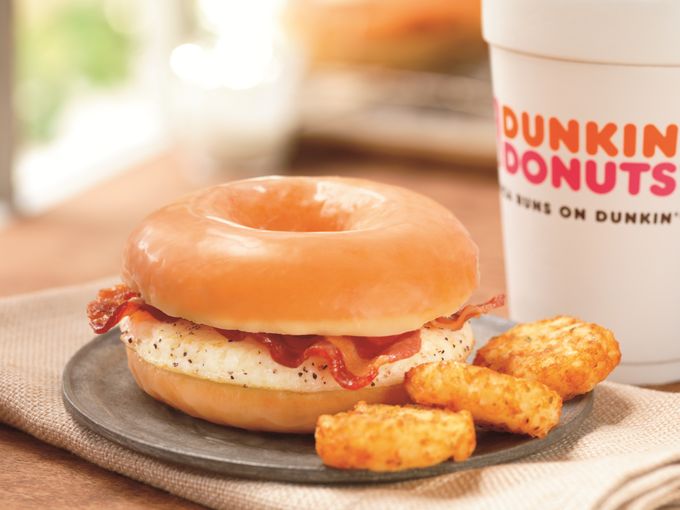

Going Where No Breakfast Has Gone

We’ve gone and changed breakfast forever. Again. Bite into this smorgasbord of bacon slices and pepper fried egg, sandwiched by a Glazed Donut.


Even though you can no longer get this at Dunkin’, it isn’t very hard to make one of these for yourself. If you are health-conscious, consider using veggie bacon and egg whites.

Aristotle advised moderation in all things. Obviously not talking about or experienced with glazed donuts. Happy National Donut Day.
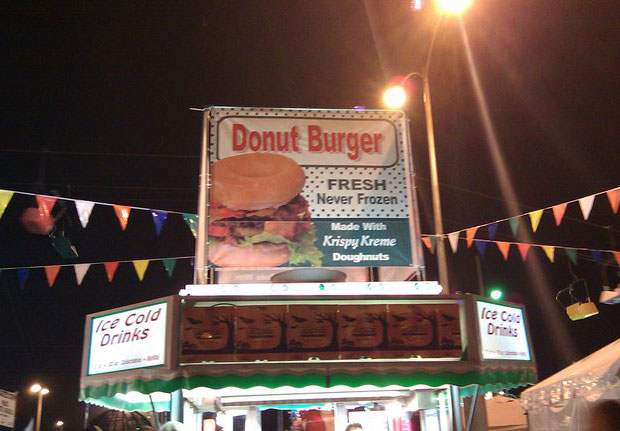
Donut Burger

Virginia Peace Medal (1780): Rebellion to Tyrants is Obedience to God/Happy While United

Virginia Peace Medal

The Virginia Indian peace medal was produced by order of Governor Thomas Jefferson in 1780. The obverse side reads: Rebellion to Tyrants is Obedience to God. The reverse side reads: Happy While United

The Colonial Williamsburg Foundation says:


This extremely rare Virginia Indian peace medal was produced by order of Governor Thomas Jefferson in 1780. Matchless in the history of relations between the independent Commonwealth of Virginia and the region’s native tribes, the “Happy While United” peace medal was cast in bronze by Robert Scot—later chief engraver at the U.S. Mint— in Williamsburg or Richmond while Jefferson was governor.

Commemorating an unidentified Revolutionary-era alliance between native tribes and the Commonwealth, silver medals were presented to important tribal members, while bronze versions were cast for non-native recipients. None of the twelve silver medals originally produced survive as they were likely traded in for later Presidential Indian peace medals or buried with the native recipients upon their deaths.

At nearly three inches in diameter and more than 2.5 ounces in weight, the medal is based on designs by noted artist Pierre Eugene du Simitiere and New York silversmith Daniel Christian Feuter. A bronze medal, identical to the one acquired by Colonial Williamsburg, was recorded as a gift from Isaac Zane of the Marlboro Iron Works—a patriot munitions factory in Frederick County during the American Revolution—to du Simitiere prior to May 1781.

The medal uses one the earliest versions of the fledgling Commonwealth’s official seal depicting the goddess Virtue standing triumphant over a fallen tyrant—most certainly meant to represent King George III—surrounded by the inscription “Rebellion to Tyrants is Obedience to God.”

The reverse side of the medal incorporates a scene from an earlier medal made in New York during the 1760s and depicts a European-American and a Native American seated on a bench sharing a “peace pipe.” To the right is a tree, shading the two figures, and behind them is a waterfront scene with three vessels under sail. The over-arching inscription reads “Happy While United” with “1780” below the scene.