Unreliable narrators in Trump’s America
by Bob Schwartz
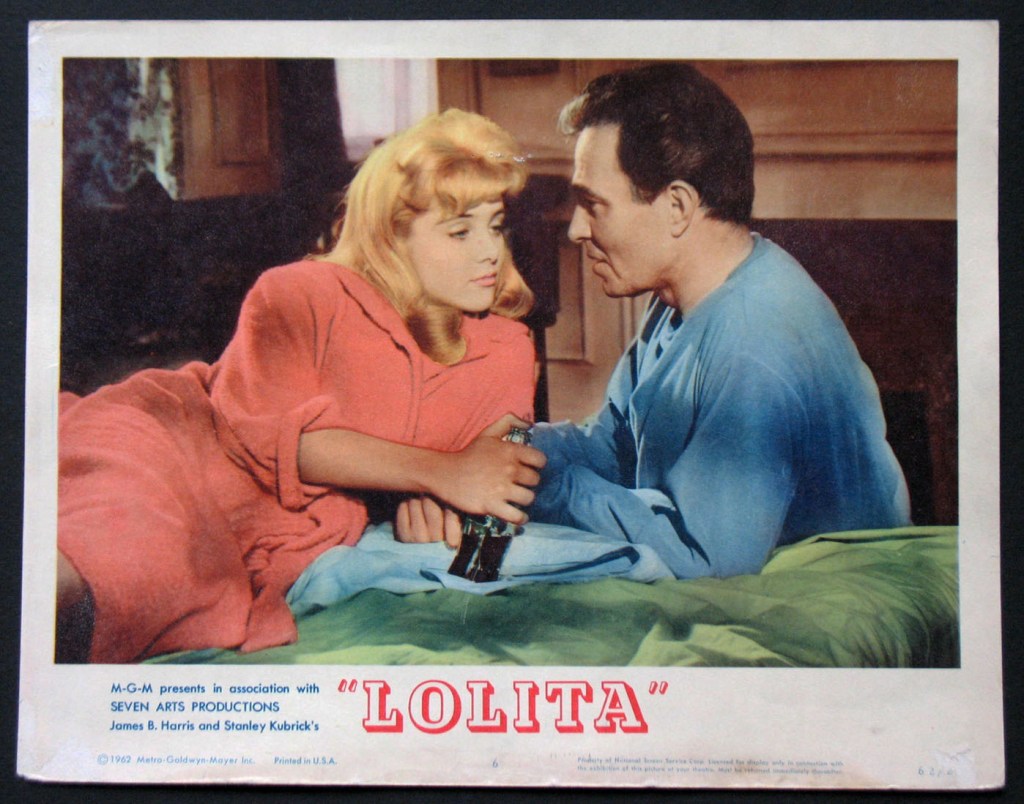
An unreliable narrator is a storyteller whose credibility is compromised, leading readers to question or doubt the accuracy of their account. This narrative technique creates a gap between what the narrator tells us and what actually happened.
Common types include:
- Mentally unstable narrators who may be delusional or mentally ill (e.g., the narrator in “The Tell-Tale Heart”)
- Naïve narrators who lack the experience or knowledge to fully understand events (e.g., a child narrator)
- Biased narrators who deliberately manipulate the truth for self-serving reasons
- Narrators with impaired perception due to intoxication, trauma, or memory issues
The unreliability often becomes apparent through inconsistencies in their story, contradictions between their words and actions, or clues that reveal their misperceptions. This technique engages readers more actively, as they must piece together the truth themselves.
Classic examples include Humbert Humbert in “Lolita,” the narrator in Gillian Flynn’s “Gone Girl,” and Nick Carraway in “The Great Gatsby” (to a subtler degree).
Discussing Trump’s latest perfidy, the closing down of the Kennedy Center, I maintain that this may have been on his mind for a while. Someone else suggested that those in the know indicated it was his instant petulant reaction to the Melania movie fiasco there, when few of his sycophants showed up for the premiere. I replied that we couldn’t really know, because what people around him say is presumptively false, just as his own words are.
That leads to the broader issue of the unreliable narrator. It is common in storytelling and sometimes in the real world. But in America today, we have never had so many people with amplified voices say so many things that are manifestly untrue.
Maybe, as the above description says, this unreliability actively engages us to piece together the truth for ourselves. Regarding the shutting down of the Kennedy Center, spontaneous or planned? When we try to piece it together, we might say that it may matter to journalists and historians, but citizens like us might simply conclude that either way, something is terribly, horribly wrong.
Which brings us back to narrators, reliable, and increasingly among the loud, corrupt and powerful who lead us, totally unreliable. Who do you trust in Lolita, for example, a story told by a pedophile?

