One mistake after another
by Bob Schwartz
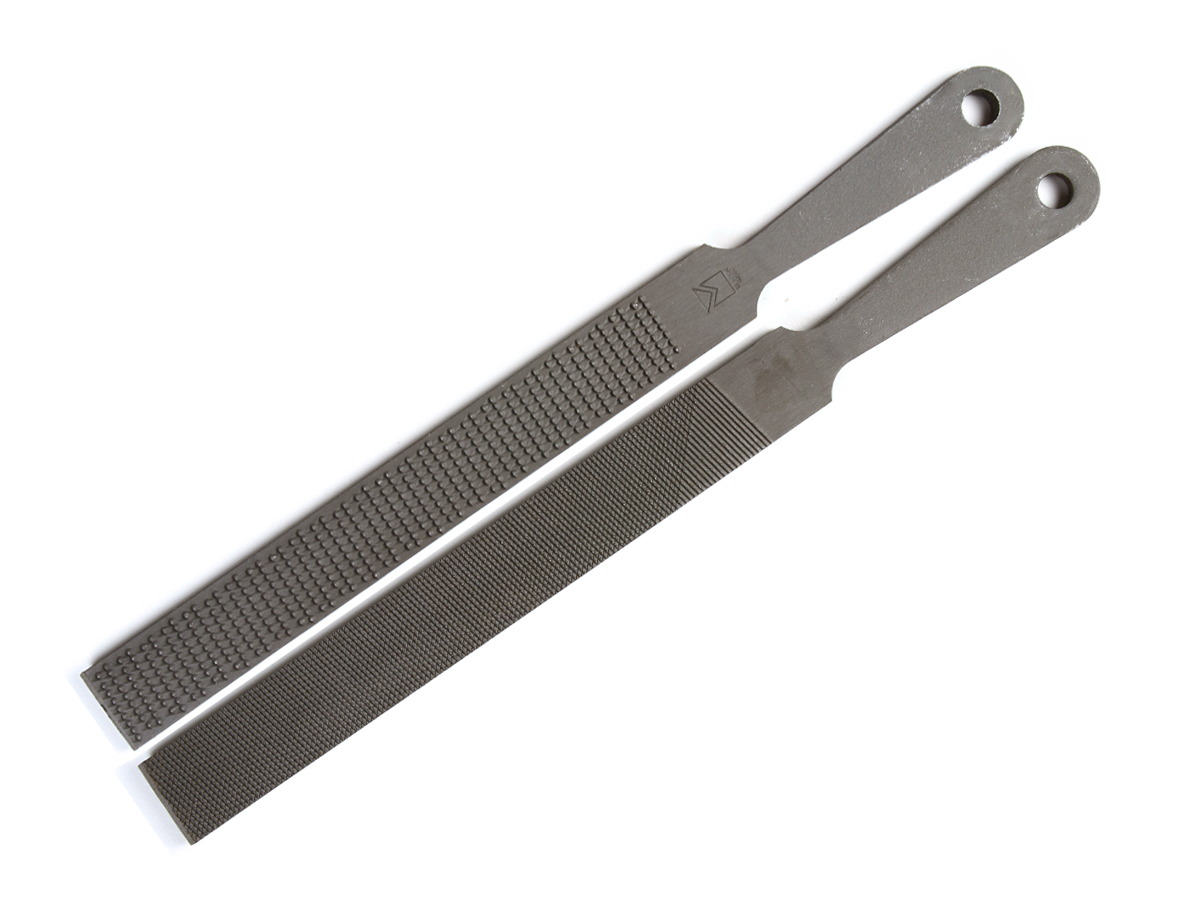
Shoshaku jushaku. Literally, to use a file to file a file.
I first discovered the idea of shoshaku jushaku–one continuous mistake–a long time ago in talks by Shunryu Suzuki Roshi (see below). I may understand it a little better, just a little better, now, as I’ve made and experienced many more of what I considered mistakes, by me and others, one after another.
We seem to be witnessing so many public and harmful mistakes right now, which is how the phrase “one mistake after another” came to mind. We may point out constructively things that could be done or said better and offer corrections. But when we get mired in judgments about mistakes, we bring ourselves and others down. As Dogen wrote, “We should understand that, in reality, mistakes are called learning.” And as Suzuki Roshi said:
“So we should not say, “This is good,” or “This is bad.” Instead of saying bad, you should say, “not-to-do”!”
“When we reflect on what we are doing in our everyday life, we are always ashamed of ourselves. One of my students wrote to me saying, “You sent me a calendar, and I am trying to follow the good mottoes which appear on each page. But the year has hardly begun, and already I have failed!” Dogen-zenji said, “Shoshaku jushaku.” Shaku generally means “mistake” or “wrong.” Shoshaku jushaku means “to succeed wrong with wrong,” or one continuous mistake. According to Dogen, one continuous mistake can also be Zen. A Zen master’s life could be said to be so many years of shoshaku jushaku. This means so many years of one single-minded effort.”
–Shunryu Suzuki, Zen Mind Beginner’s Mind
“We should understand that, in reality, mistakes are called learning, and the state of no mistake is called nowness. In nowness there is no before or after, no goals, agendas, or fixed direction. Like the meandering river, it twists and turns in accord with circumstances but always knows how to find its way to the great ocean. If you wish to travel like this, you must go alone, not carry any baggage, and trust yourself implicitly.”
–Dogen, The True Dharma Eye

