Houses of Worship as Reminders on the Street
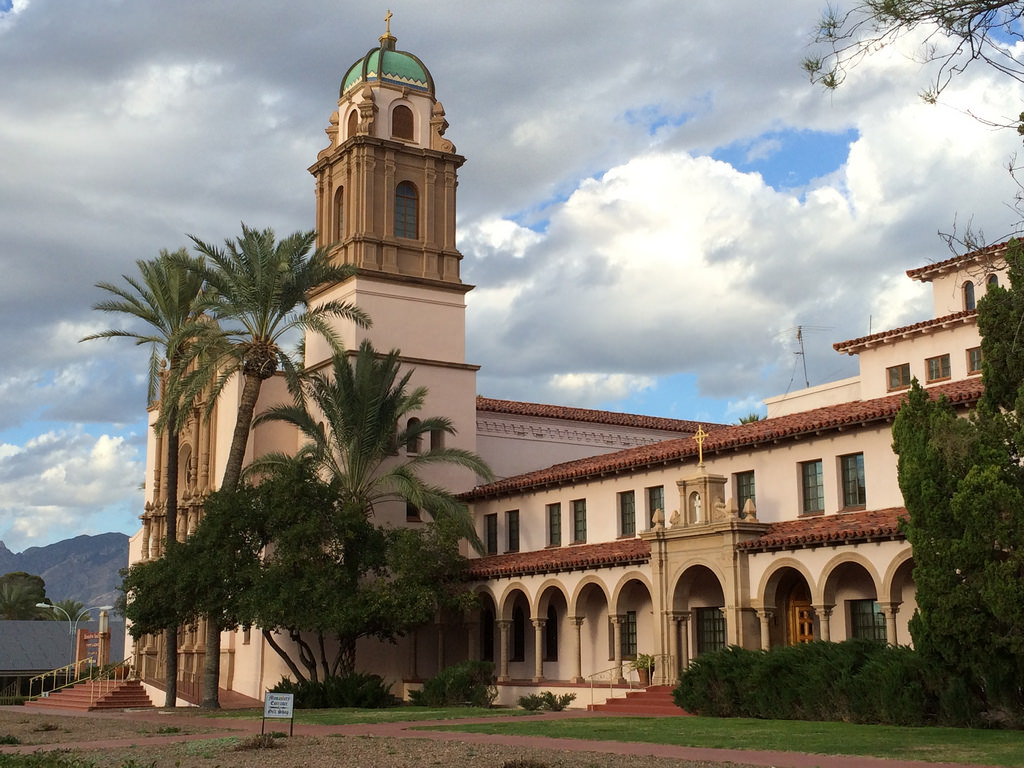
Things have changed since the post below and the picture above.
The Benedictine Monastery was the most valuable asset of an aging order, so it was no surprise that it was sold. Houses of worship have been sold and repurposed everywhere for a variety of uses.
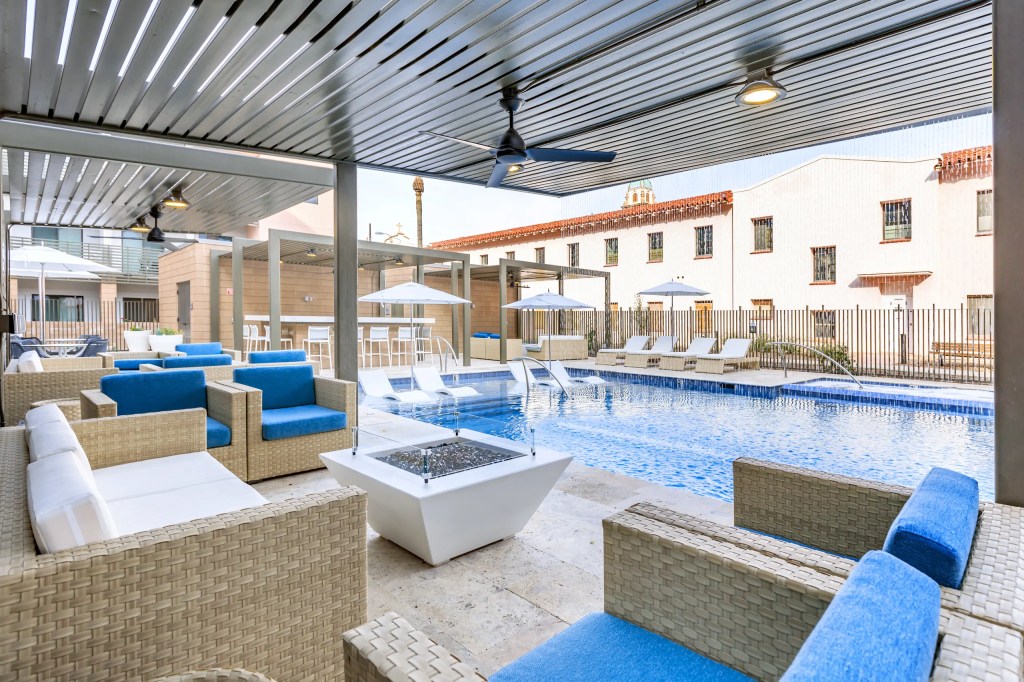
This space and land were used to construct luxury apartments, The Benedictine:
and a music venue, La Rosa:
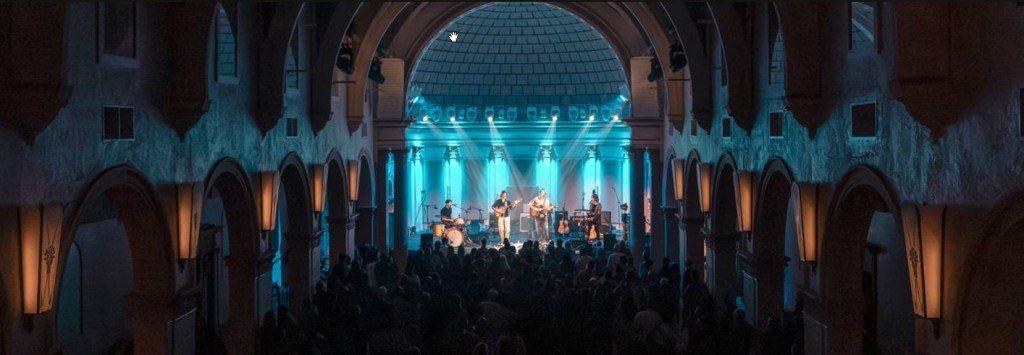
This is not a criticism, just an observation. A small number of people still visited the church regularly, and a number more, like me, walked in any time, sitting in the quiet, or walked around outside, checking out the butterflies. The central structure is still standing, though surrounded by apartments. The butterflies may still be there, though I haven’t visited in a while.
The point below still holds. You don’t have to be religious, you don’t have to follow the motives or spirit that inspired these gifts on the street. It is enough that they are there.
Note: People do need places to live and do need music. Neither the Benedictine apartments nor La Rosa venue acknowledges on their sites the origin of the place. Not a criticism, just a missed opportunity.
We often see houses of worship on our streets, from modest buildings to grand cathedrals. Some people have mixed feelings when they do.
A growing number think that organized religion is a negative or even destructive force. Some people are happy to see their own brand of churches, synagogues and mosques on display, but are not so sure about other kinds. Some are irked by the costly beauty and splendor, no matter how pleasant the view, when other needs are so great.
These are all legitimate concerns. Yet walking past houses of worship is also a reminder, no matter how sectarian those buildings, of something greater and deeper—a reminder that may be missing from everyday lives. You don’t have to believe or participate in a particular tradition, or in any tradition, to know that things are out of balance. You may think that some expressions of faith actually contribute to that imbalance, and some assuredly do. But seeing the best of spirit embodied in our streetscape can also be a good reminder of who we can be.
From Thomas Merton, The Street Is for Celebration in Love and Living:
A city is something you do with space.
A street is a space. A building is an enclosed space. A room is a small enclosed space.
A city is made up of rooms, buildings, streets. It is a crowd of occupied spaces. Occupied or inhabited? Filled or lived in?
The quality of a city depends on whether these spaces are “inhabited” or just “occupied.” The character of the city is set by the way the rooms are lived in. The way the buildings are lived in. And what goes on in the streets.
Pictured above: Benedictine Monastery, Tucson, Arizona.
June 25, 2017

