Bob Schwartz

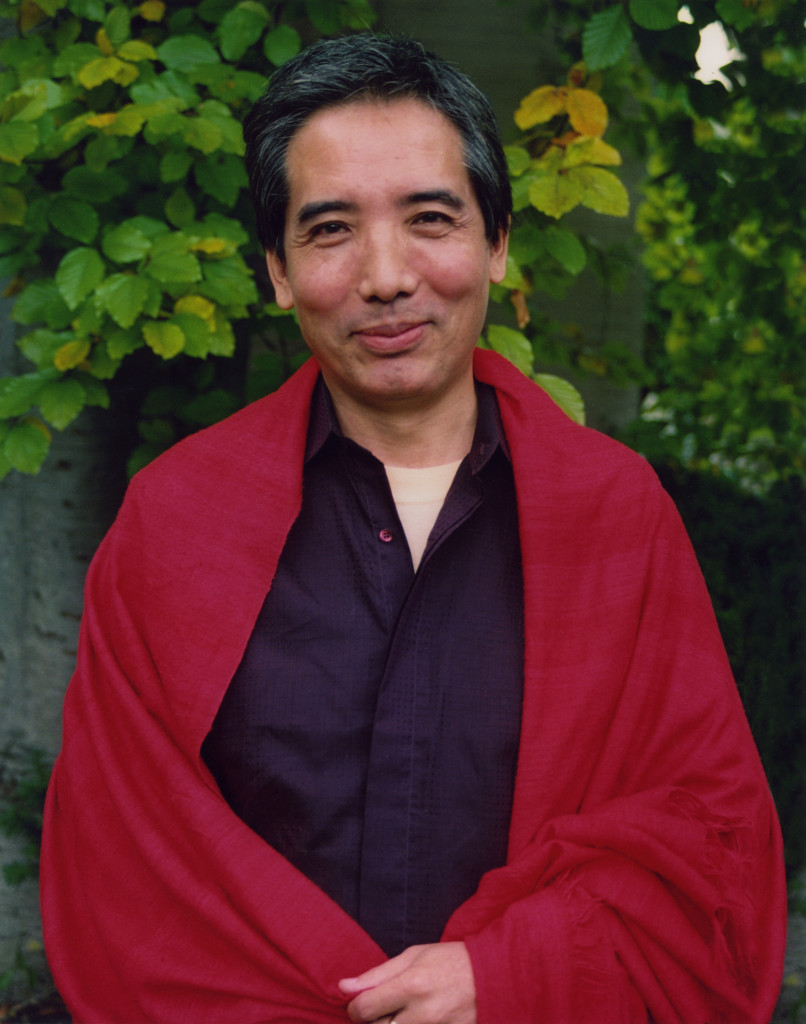
Tag: Traleg Kyabgon Rinpoche

Meditation: More than just stress relief and anxiety reduction

Meditation can do more than just relieve stress, reduce anxiety and sharpen focus, although it may do all that.

To explain what that more might be, here are a couple of paragraphs from one of the best introductions to Buddhism available, by Traleg Kyabgon Rinpoche (1955-2012):


In the West, what meditation means and the reasons for practicing it are understood in many different ways. Meditation has become quite popular. Many people, particularly in the health professions, now recognize its benefits. Some people think that meditation will help them live longer, prolong their youth, lose weight, stop smoking, and so on. Meditation may do all those things, but in the Eastern traditions, such as Buddhism and Hinduism, it has a more profound meaning. Meditation is not practiced for a specific reason such as reducing stress, increasing concentration while playing sports, or dealing with anxiety. It has to be put in the overall context of how we view our lives and how we perceive the world; this can only be provided by a certain kind of philosophical or religious perspective.

Many people are frightened by the notion of religion and say, “I want to learn how to practice meditation, but please spare me the Eastern mumbo-jumbo. I am quite willing to do the breathing exercises or whatever else you tell me to do.” In the Eastern tradition, the practice of meditation relates to transforming ourselves in a fundamental way, not simply changing one aspect of our self. By transforming ourselves we are able to deal with whatever happens in our lives in an appropriate and a meaningful way.

The Essence of Buddhism: An Introduction to Its Philosophy and Practice by Traleg Kyabgon

Transforming adversity into the path of awakening

“We can’t tailor the world to suit ourselves, or force it to fit into our vision of things. This doesn’t mean we shouldn’t aspire to make things better.”
Traleg Kyabgon Rinpoche

The 59 slogans of lojong mind training are divided into Seven Points.


Point Three: Transforming Adversity into the Path of Awakening

We now come to the instructions on how to train our minds amid the unfavorable and unwanted circumstances of our lives. We have been born into an imperfect world, characterized by unpredictability and adversity, as finite human beings that have foibles, make mistakes, get confused, and think irrationally. There is much to contend with, and our ability to prevent or circumvent difficulty is quite limited. We aren’t omnipotent beings, and while we try to protect ourselves and maintain order in our lives, we simply don’t have the ability to safeguard ourselves from its disasters….

We can’t tailor the world to suit ourselves, or force it to fit into our vision of things. This doesn’t mean we shouldn’t aspire to make things better. The bodhisattva ideal specifically recommends trying to improve our world to the best of our ability, but that ideal is based on a realistic recognition that the world is imperfect and likely to remain that way. Things may sometimes work a little better, sometimes a little worse, but so long as there is ignorance, hatred, jealousy, pride, and selfishness, we will all be living in a world that is socially and politically imperfect….

Sometimes things just happen, and there may be nothing we can do to change that, but we can control our responses to events. We don’t have to despair in the face of disaster. We can either continue to respond in the way we’ve always done and get progressively worse, or we can turn things around and use our misfortune to aid our spiritual growth. For example, if we suffer from illness, we should not allow despondency to get the better of us if our recovery is slow. Despite seeing the best doctors and receiving the best medication, we should accept our situation with courage and fortitude and use it to train our minds to be more accommodating and understanding. No matter what situation we encounter, we can strengthen our minds by incorporating it into our spiritual journey.

Traleg Kyabgon Rinpoche, The Practice of Lojong: Cultivating Compassion through Training the Mind