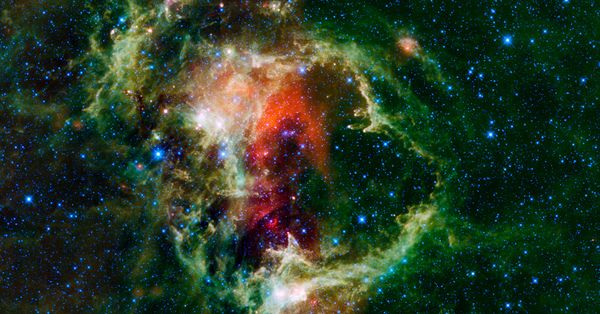
Thusness, suchness, tathata in Sanskrit, the ultimate and unconditioned nature of things.
Things as they are. Things as it is.
It is thought of as a Buddhist concept, or an Eastern concept. But it is basic to every faith and wisdom tradition, once you peel away many layers of sometimes self-righteous or overly fussy codification and interpretation. The Christian gospels, unconditioned by unnecessary accretions, are just one example. It would appear that Jesus could speak for himself, plainly articulating thusness as well as any other realized teacher.
Talking about thusness is challenging for some of the wisest people ever. Which puts me at a humble and stupid disadvantage. But fools, like me, rush in.
Is thusness seemingly separate from you?
Yes.
Are you within it?
Yes.
Is it within you?
Yes.
What does it contain?
Among other things, it contains all the attributes we usually consider good and admirable: love, compassion, justice, healing, and on and on.
Does thusness define those attributes?
No. People define those attributes, sometimes in long and complex detail. These definitions seem to help people act on these attributes. This act is loving, this act is not. This act is just, this act is not. It is a practical matter.
Is there a problem with defining the attributes?
No, except that people, often people of good will, confuse the definitions with the attributes themselves. That is, by doing this defined thing, they believe they are acting lovingly or justly. They may be wrong.
Is this a problem?
No, unless people forget to look back to the source of those attributes in thusness. If they identify their particular definition with the essence of the attribute, saying that compassion or justice means exactly what I say it means, they are grounded in themselves.
Is there a solution?
Every faith and wisdom tradition offers the same solution, though the terms may be different. The solution is eliminating the seeming separation from thusness, which leads to realizing that thusness is in you and you are in it. That way, when you hear or consider the attributes of love, justice, and so on, you don’t stop at someone else’s definition or at your own. You look deeper, to an ultimate source, that at once makes the attribute less certain and more complicated, and yet more real and simpler.

 Bob Schwartz