Day of the Dead/Dia de los Muertos and skulls
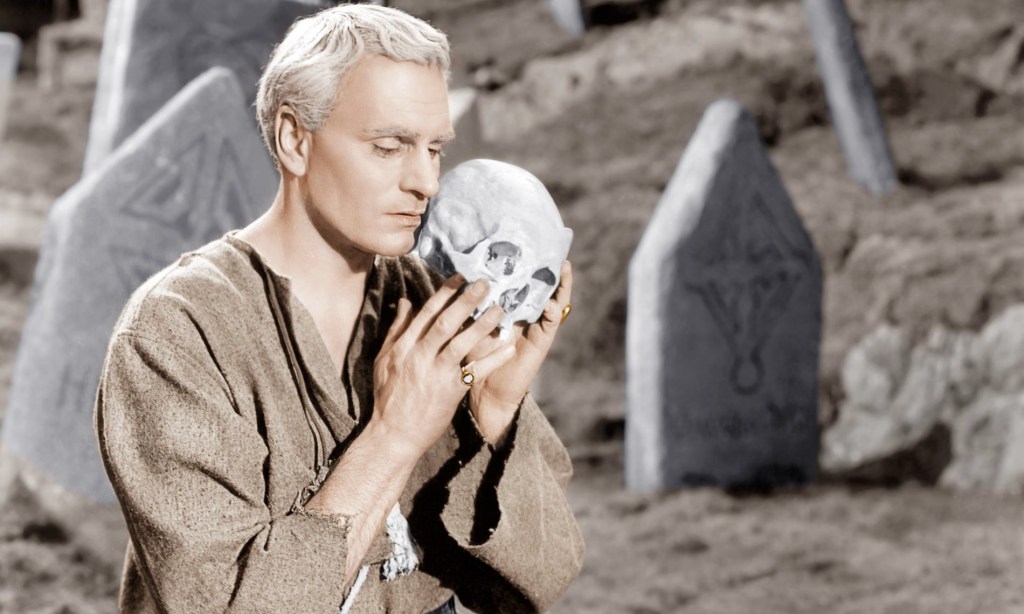
Alas poor Yorick! I knew him…”
Hamlet, Act 5, Scene 1
Today, November 1, is Day of the Dead/Dia de los Muertos in Mexico and elsewhere. (It is also All Saints’ Day on many Christian calendars.)
Above is a famous skull scene from Hamlet. Shakespeare was all about everything, including death.
Here in Hamlet, Mercutio is stabbed, but still finds a way to pun his way out:

Ask for me tomorrow, and you shall find me a grave man.
Hamlet, Act 3, scene 1
Dia de los Muertos has many traditions associated with remembering and honoring those in our hearts who have died before us. It is also a way of remembering that we too will die and be somebody’s memory. While thinking about that may sadden and scare us, it is not a dark day.
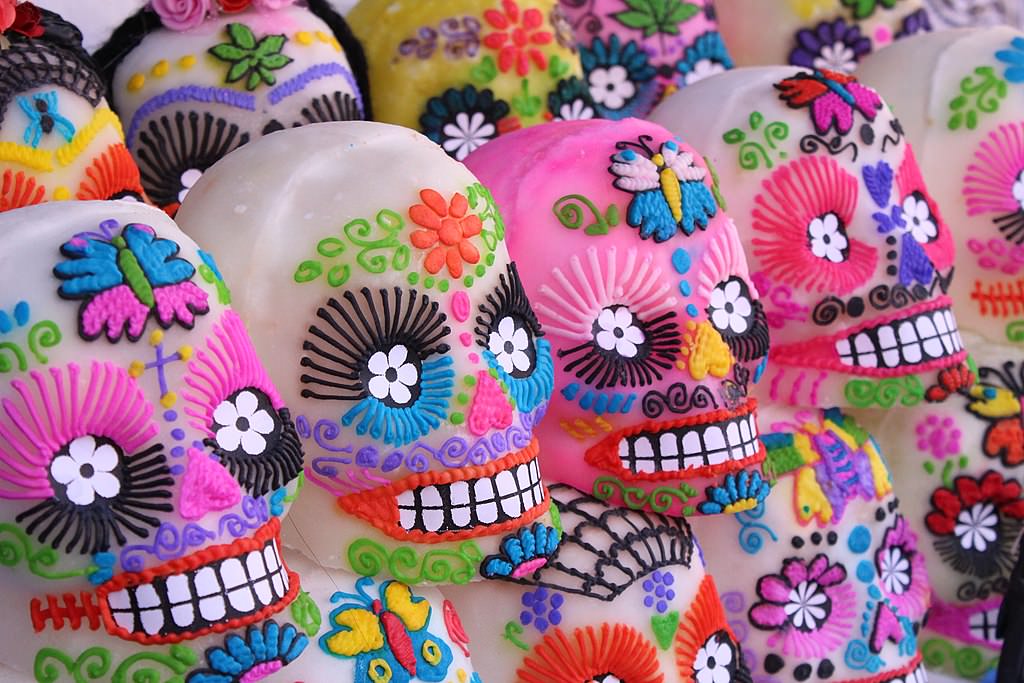
Skulls/calaveras are a main motif of Dia de los Muertos. Faces are painted as skulls. Candy sugar skulls are enjoyed.
A late tradition from the 19th century is the calavera literaria. These are humorous or sarcastic writings about someone who is still alive as if they were dead. What you might hear at a roast or wake.
Thinking about death on this Day of the Dead or any day:
“Cultivate the thought, “The time of my death is unknown, and were it to come suddenly, my sole recourse would be this practice….In this way, make sure you fortify your mind so that no matter when you die, you do so joyfully and with palpable warmth within.”
Tibetan Buddhist master Sé Chilbu Chökyi Gyaltsen (1121-1189)

 Bob Schwartz