Bob Schwartz

Tag: John Coltrane

Music: John Coltrane and Miles Davis
You like jazz. You don’t like jazz. You are allergic to jazz. You haven’t listened to enough or any jazz to know.

Not liking jazz is like not liking fruit. So many types, so many songs, so many performers and performances.

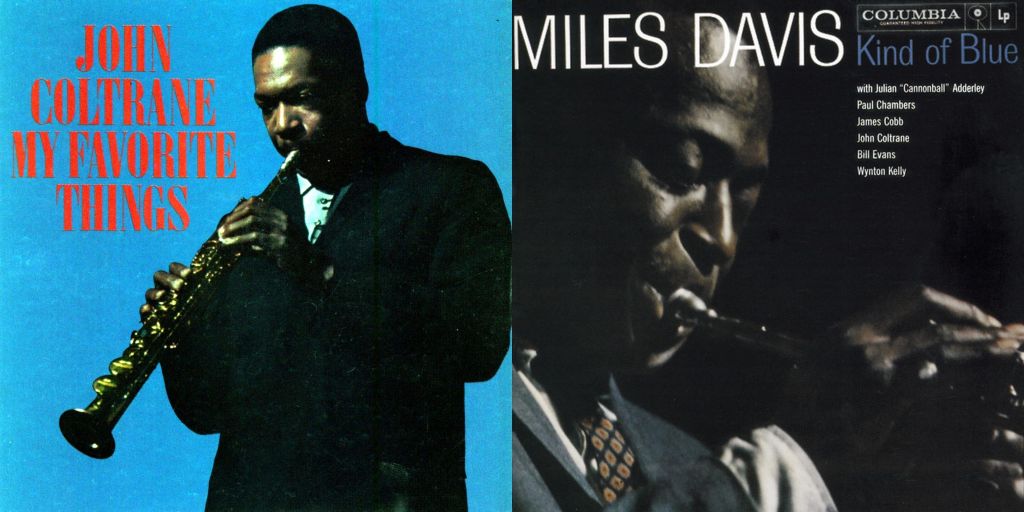
Here are a couple of tracks and a couple of artists that might get through to you. Both are from epochal albums by epochal artists, My Favorite Things (1960) by John Coltrane and Kind of Blue (1959) by Miles Davis.

With all respect, appreciation and affection for all the other genres I’ve spent millions of hours listening to, jazz is the most liberating. It does a lot of other things, as all the other genres can, but no other genre has so many artists trying to liberate themselves, which is why listening to it is also liberating.

It is not a coincidence that following the historic horror of World War I the Jazz Age was born. In the face of existential threat—or certainty—freedom was the theme. It isn’t the only music that reflects the possibility or the imperative of breaking free. But it is one that, if you’ve missed it, you shouldn’t miss.

John Coltrane, My Favorite Things from My Favorite Things (1960).

Coltrane took the saxophone where it had never been before. On this album, accompanied by other greats McCoy Tyner on piano and Elvin Jones on drums, he plays with standards from George Gershwin, Cole Porter, and this one from a Broadway musical, Rodgers and Hammerstein’s Sound of Music.

Miles Davis, Freddie Freeloader from Kind of Blue (1959).

Kind of Blue is a jazz milestone, for Davis and for the music. Here he is with Bill Evans on piano and John Coltrane and Cannonball Adderley on sax. Coltrane was for a time part of Davis’s ever-changing lineup of stars.

Music: Calling on John Coltrane

A Love Supreme

The last post was about Gil Scott-Heron’s Lady Day and John Coltrane. Realizing now that some (most?) readers were not familiar with Coltrane, here’s some background and suggestions.

Music fans love to debate “the best”. There is no debate here. Coltrane was the best saxophonist, and some would argue, jazz player. Along with his gifts as an artist, part of that is how spiritual his music is.

He came by that spirituality when, in the midst of his too short career, he kicked a heroin habit by finding a Higher Power. The truth is that he had always been channeling that Higher Power. He just hadn’t been aware of it.

His most overtly spiritual work is A Love Supreme. For those who are not jazz listeners, this may be a bit challenging for a first stop. But at some point, please give this a listen. Bach and centuries of holy music have nothing on Coltrane.

A good place to start gently is the album My Favorite Things, which opens with the title track. All due respect to Julie Andrews (who I do like), this is the famous Sound of Music song in a whole other cosmos. While you’re there, stick around for the next track, a slowly lyrical Every Time You Say Goodbye, a perfect piece of love’s longing, Coltrane style.

Music: Lady Day and John Coltrane

Gil Scott-Heron 2

They’ll wash your troubles,
Your troubles, your troubles
Your troubles away!

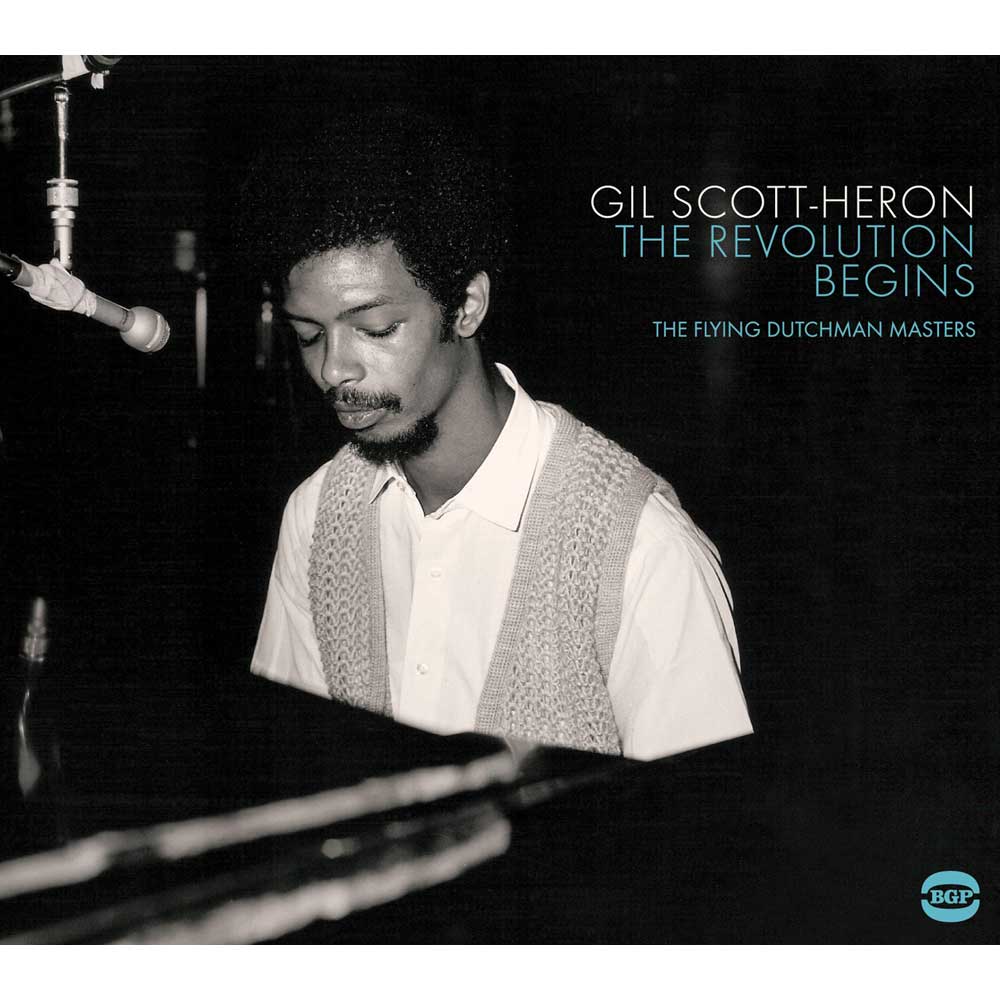
Musician and poet Gil Scott-Heron was unlike any artist of the modern era. He is a jazz artist identified as a “godfather of rap” (he rejected that), his song The Revolution Will Not Be Televised is quoted somewhere every day, and his vision of the black experience is as current and insightful as any.

But this isn’t about him. It’s about one of his songs, Lady Day and John Coltrane, that celebrates the power of music to heal and change our lives, especially when we are giving up. If you don’t regularly take that prescription, please consider it.

Lady Day and John Coltrane

Ever feel kinda down and out, you don’t know just what to do
Livin’ all of your days in darkness let the sun shine through
Ever feel that somehow, somewhere, you’ve lost your way
And if you don’t get help quick you won’t make it through the day
Could you call on Lady Day,
Could you call on John Coltrane
Now ‘cause they’ll
They’ll wash your troubles
Your troubles your troubles
Your troubles away!

Plastic people with plastic minds are on their way to plastic homes
No beginning there ain’t no ending just on and on and on and on and on, it’s
All because they’re so afraid to say that they’re alone
Until our hero rides in, rides in on his saxophone.
Could you call on Lady Day,
Could you call on John Coltrane
Now ‘cause they’ll,
They’ll wash your troubles,
Your troubles, your troubles
Your troubles away!