Bob Schwartz

Tag: Jimi Hendrix

A morning for Bob, Jimi and the watchtower
“So let us not talk falsely now, the hour is getting late”

First music of the day is important. But not easy to choose. It has to fit inside and outside, me and the world.

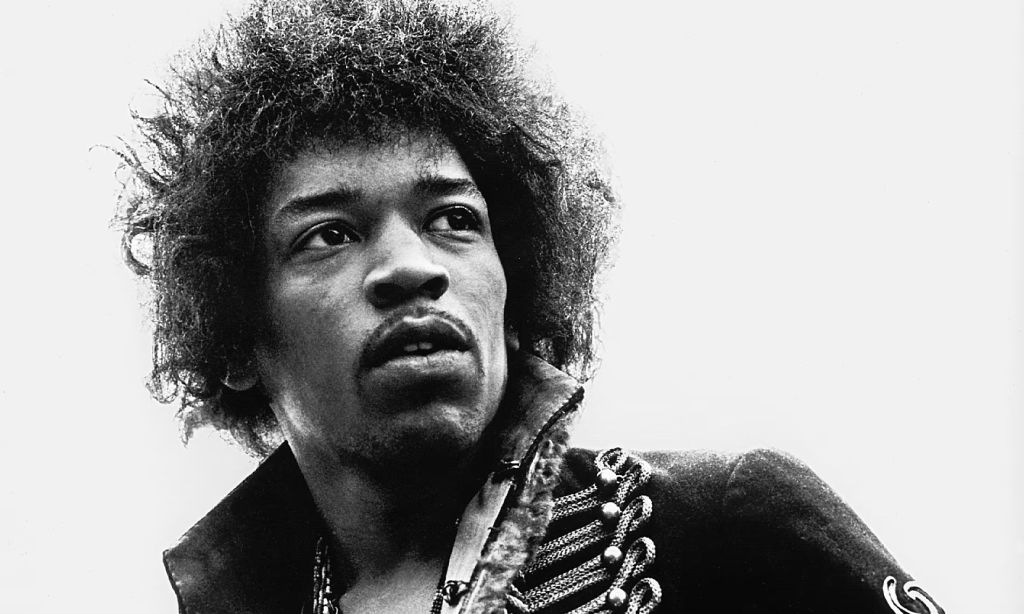
This morning I chose All Along the Watchtower, written by Bob Dylan, performed by Jimi Hendrix.

The artistic heritage of both of them goes back before the 1960s. Dylan drank from the well of folk music and the beat poets. Hendrix began as a blues and R&B player. They flourished, like rare flowers, beyond those beginnings.

If you are new to either, suggestions. For Dylan, listen to albums from 1965 to 1967: Bringing It All Back Home, Highway 61 Revisited (personal favorite), Blonde on Blonde, John Wesley Harding (includes Watchtower). For Hendrix, the only three studio albums before his death in 1970: Are You Experienced, Axis: Bold as Love, Electric Ladyland (includes Watchtower).

Anything more I would say is small and superfluous.

© 2024 by Bob Schwartz

“There must be some way out of here,” said the joker to the thief
“There’s too much confusion, I can’t get no relief
Businessmen, they drink my wine, plowmen dig my earth
None of them along the line know what any of it is worth”

“No reason to get excited,” the thief, he kindly spoke
“There are many here among us who feel that life is but a joke
But you and I, we’ve been through that, and this is not our fate
So let us not talk falsely now, the hour is getting late”

All along the watchtower, princes kept the view
While all the women came and went, barefoot servants, too

Outside in the distance a wildcat did growl
Two riders were approaching, the wind began to howl

An Old Wave of Music Death


The death of musician Bob Welch, former member of Fleetwood Mac, is the latest in a current series of deaths—natural and unnatural—in the pop music world.

A fascination with rock death arose from a cultural and demographic phenomenon. The 1960s saw the meteoric appearance of very young stars to very young audiences. When a plane crash took Buddy Holly at 22 and Richie Valens at 17, this deeply touched teenagers who had little experience of death.

The late 1960s took this to a new level. Not only were young artists dying, but they were dying in strange and often self-inflicted ways. In 1979 the Village Voice published the legendary article Rock Death in the 1970s: A Sweepstakes, by music critic Greil Marcus (unfortunately not available online). Trying to both appreciate lost artists and skewer a fascination with celebrity death, Marcus scored the dozens of musicians according to past contribution, prospective future contribution and manner of death (heroin overdose received 0 points for manner, since he considered it “the common cold of rock death”).  Jimi Hendrix won, with perfect 10s for past and future contribution.

Some portions of the recent deaths bear an uncanny and all too familiar similarity to the worst days decades ago. If a Marcus-like list is to be made now, Amy Winehouse belongs near the top. Others who died too soon could join her there.

But there is something different about the latest wave. While some of the deaths are untimely, some of them preventable, and all of them tragic, we are now seeing a sort of bookend to the first days of the phenomenon. In the beginning, and in Marcus’ bizarre contest, most of the artists were in their twenties or even younger. While sixty may be the new forty, or whatever the baby boomer conceit is, many of these artists who are passing are in their mid- to late-sixties. They may not have died from getting older, but they were getting older. Even if this isn’t a wave touching shore, it is definitely out there on the horizon.

As Paul Simon, who is now 71, wrote forty years ago in a prophetic verse, “Everything put together falls apart.”