Trump believes he is as great a president as George Washington. Here is what DSM-5 says about personality disorder and grandiose delusions.

Years ago, when Trump first became president, mental health experts—including his own niece—believed he exhibited clinical personality disorders.
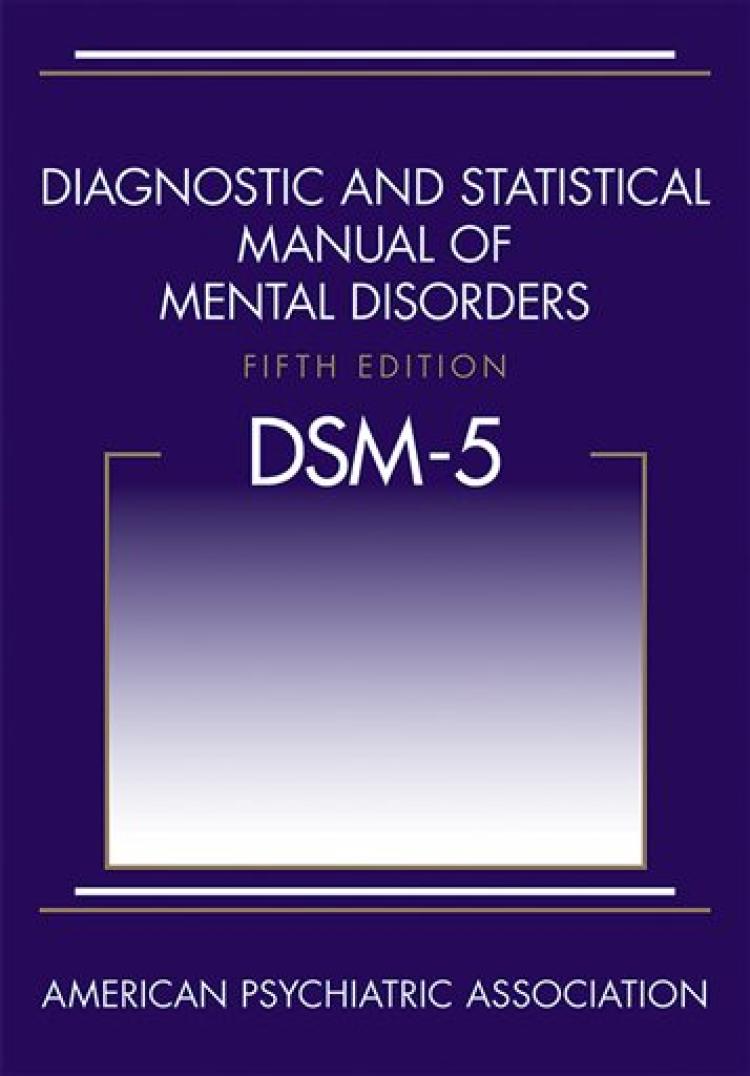
I am not one of those experts, but I was able to consult DSM-5 (Diagnostic And Statistical Manual of Mental Disorders), the diagnostic bible of psychiatry. At the time I posted about the description of narcissistic personality disorder.
Here in the second Trump term, a new pattern is emerging. He is comparing himself to George Washington as the greatest American president. Some may believe this, some may say it is a legitimate matter of opinion, some may believe that objectively this is not true. For those who think it manifestly untrue, this might be considered a delusion. A grand delusion.
Grandiose delusions are part of various personality disorders described in the DSM-5 . Here is a description of Paranoid Personality Disorder:

Associated Features of Paranoid Personality Disorder
Individuals with paranoid personality disorder are generally difficult to get along with and often have problems with close relationships. Their excessive suspiciousness and hostility may be expressed in overt argumentativeness, in recurrent complaining, or by hostile aloofness. They display a labile range of affect, with hostile, stubborn, and sarcastic expressions predominating. Their combative and suspicious nature may elicit a hostile response in others, which then serves to confirm their original expectations.
Because individuals with paranoid personality disorder lack trust in others, they need to have a high degree of control over those around them. They are often rigid, critical of others, and unable to collaborate, although they have great difficulty accepting criticism themselves. They may blame others for their own shortcomings. Because of their quickness to counterattack in response to the threats they perceive around them, they may be litigious and frequently become involved in legal disputes. Individuals with this disorder seek to confirm their preconceived negative notions regarding people or situations they encounter, attributing malevolent motivations to others that are projections of their own fears. They may exhibit thinly hidden, unrealistic grandiose fantasies, are often attuned to issues of power and rank, and tend to develop negative stereotypes of others, particularly those from population groups distinct from their own. Attracted by simplistic formulations of the world, they are often wary of ambiguous situations. They may be perceived as “fanatics” and form tightly knit “cults” or groups with others who share their paranoid belief systems. (emphasis added)
Diagnostic And Statistical Manual of Mental Disorders (DSM-5)

 Bob Schwartz