Bob Schwartz

Tag: Antisocial Personality Disorder

Trump believes he is as great a president as George Washington. Here is what DSM-5 says about personality disorder and grandiose delusions.

Years ago, when Trump first became president, mental health experts—including his own niece—believed he exhibited clinical personality disorders.

I am not one of those experts, but I was able to consult DSM-5 (Diagnostic And Statistical Manual of Mental Disorders), the diagnostic bible of psychiatry. At the time I posted about the description of narcissistic personality disorder.

Here in the second Trump term, a new pattern is emerging. He is comparing himself to George Washington as the greatest American president. Some may believe this, some may say it is a legitimate matter of opinion, some may believe that objectively this is not true. For those who think it manifestly untrue, this might be considered a delusion. A grand delusion.

Grandiose delusions are part of various personality disorders described in the DSM-5 . Here is a description of Paranoid Personality Disorder:


Associated Features of Paranoid Personality Disorder

Individuals with paranoid personality disorder are generally difficult to get along with and often have problems with close relationships. Their excessive suspiciousness and hostility may be expressed in overt argumentativeness, in recurrent complaining, or by hostile aloofness. They display a labile range of affect, with hostile, stubborn, and sarcastic expressions predominating. Their combative and suspicious nature may elicit a hostile response in others, which then serves to confirm their original expectations.

Because individuals with paranoid personality disorder lack trust in others, they need to have a high degree of control over those around them. They are often rigid, critical of others, and unable to collaborate, although they have great difficulty accepting criticism themselves. They may blame others for their own shortcomings. Because of their quickness to counterattack in response to the threats they perceive around them, they may be litigious and frequently become involved in legal disputes. Individuals with this disorder seek to confirm their preconceived negative notions regarding people or situations they encounter, attributing malevolent motivations to others that are projections of their own fears. They may exhibit thinly hidden, unrealistic grandiose fantasies, are often attuned to issues of power and rank, and tend to develop negative stereotypes of others, particularly those from population groups distinct from their own. Attracted by simplistic formulations of the world, they are often wary of ambiguous situations. They may be perceived as “fanatics” and form tightly knit “cults” or groups with others who share their paranoid belief systems. (emphasis added)

Diagnostic And Statistical Manual of Mental Disorders (DSM-5)
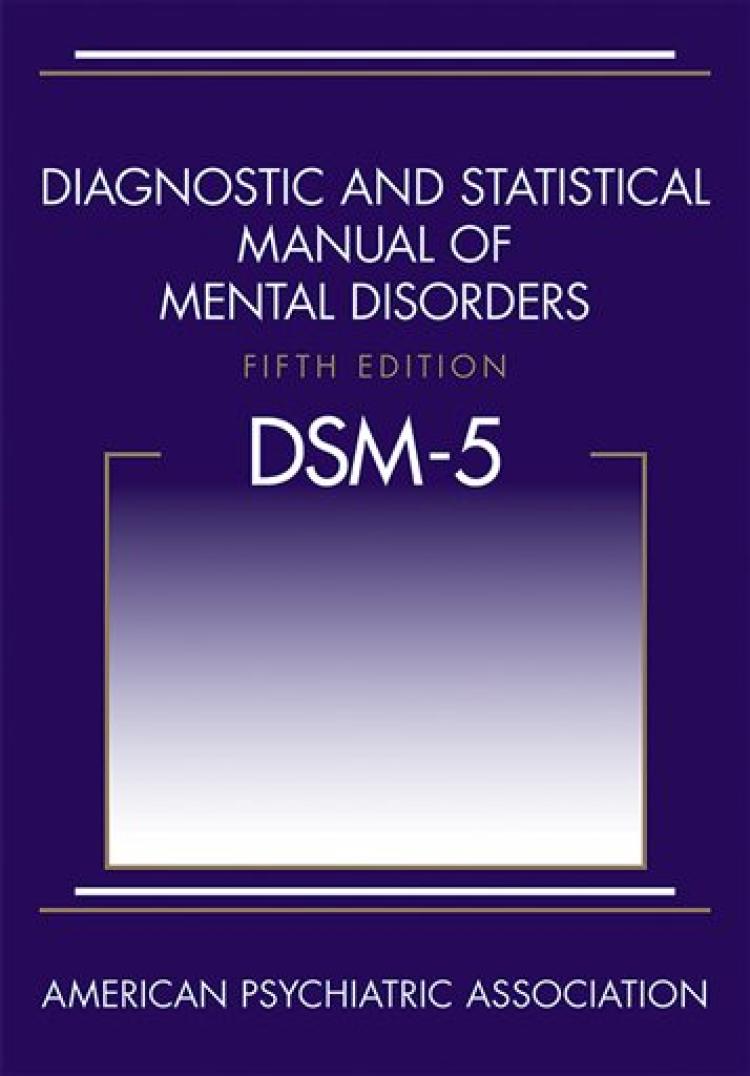
DSM-5: Antisocial Personality Disorder (Sociopathy)

Deceitfulness, as indicated by repeated lying, use of aliases, or conning others for personal profit or pleasure.
Impulsivity or failure to plan ahead.
Lack of remorse, as indicated by being indifferent to or rationalizing having hurt, mistreated, or stolen from another.

Individuals with antisocial personality disorder frequently lack empathy and tend to be callous, cynical, and contemptuous of the feelings, rights, and sufferings of others.

These individuals may also be irresponsible and exploitative in their sexual relationships. They may have a history of many sexual partners and may never have sustained a monogamous relationship.

This post about Antisocial Personality Disorder (Sociopathy) is a sequel to one of my most popular posts, published more than a year ago: DSM-5: Antagonism and Narcissistic Personality Disorder.

The Diagnostic and Statistical Manual of Mental Disorders, Fifth Edition (DSM-5) is the “bible” of the mental health profession—“a classification of mental disorders with associated criteria designed to facilitate more reliable diagnoses of these disorders.” It is worth repeating here that mental health diagnosis should ultimately be left to trained clinicians. Nevertheless, intelligent non-professionals may gain important insights by reviewing the literature about significant personality disorders.


Antisocial Personality Disorder

Diagnostic Criteria

A pervasive pattern of disregard for and violation of the rights of others, occurring since age 15 years, as indicated by three (or more) of the following:

  1. Failure to conform to social norms with respect to lawful behaviors, as indicated by repeatedly performing acts that are grounds for arrest.
  2. Deceitfulness, as indicated by repeated lying, use of aliases, or conning others for personal profit or pleasure.
  3. Impulsivity or failure to plan ahead.
  4. Irritability and aggressiveness, as indicated by repeated physical fights or assaults.
  5. Reckless disregard for safety of self or others.
  6. Consistent irresponsibility, as indicated by repeated failure to sustain consistent work behavior or honor financial obligations.
  7. Lack of remorse, as indicated by being indifferent to or rationalizing having hurt, mistreated, or stolen from another.

Diagnostic Features

The essential feature of antisocial personality disorder is a pervasive pattern of disregard for, and violation of, the rights of others that begins in childhood or early adolescence and continues into adulthood. This pattern has also been referred to as psychopathy, sociopathy, or dyssocial personality disorder. Because deceit and manipulation are central features of antisocial personality disorder, it may be especially helpful to integrate information acquired from systematic clinical assessment with information collected from collateral sources.

Individuals with antisocial personality disorder fail to conform to social norms with respect to lawful behavior. They may repeatedly perform acts that are grounds for arrest (whether they are arrested or not), such as destroying property, harassing others, stealing, or pursuing illegal occupations. Persons with this disorder disregard the wishes, rights, or feelings of others. They are frequently deceitful and manipulative in order to gain personal profit or pleasure (e.g., to obtain money, sex, or power). They may repeatedly lie, use an alias, con others, or malinger. A pattern of impulsivity may be manifested by a failure to plan ahead. Decisions are made on the spur of the moment, without forethought and without consideration for the consequences to self or others; this may lead to sudden changes of jobs, residences, or relationships.

Financial irresponsibility is indicated by acts such as defaulting on debts, failing to provide child support, or failing to support other dependents on a regular basis. Individuals with antisocial personality disorder show little remorse for the consequences of their acts. They may be indifferent to, or provide a superficial rationalization for, having hurt, mistreated, or stolen from someone (e.g., ‘Tife’s unfair,” “losers deserve to lose”). These individuals may blame the victims for being foolish, helpless, or deserving their fate (e.g., “he had it coming anyway”); they may minimize the harmful consequences of their actions; or they may simply indicate complete indifference. They generally fail to compensate or make amends for their behavior. They may believe that everyone is out to “help number one” and that one should stop at nothing to avoid being pushed around.

Associated Features Supporting Diagnosis

Individuals with antisocial personality disorder frequently lack empathy and tend to be callous, cynical, and contemptuous of the feelings, rights, and sufferings of others. They may have an inflated and arrogant self-appraisal (e.g., feel that ordinary work is beneath them or lack a realistic concern about their current problems or their future) and may be excessively opinionated, self-assured, or cocky. They may display a glib, superficial charm and can be quite voluble and verbally facile (e.g., using technical terms or jargon that might impress someone who is unfamiliar with the topic).

These individuals may also be irresponsible and exploitative in their sexual relationships. They may have a history of many sexual partners and may never have sustained a monogamous relationship.