Wind

Wind
who knows
where the wind goes
when it sleeps
©
Wind
who knows
where the wind goes
when it sleeps
©

The Far Mosque
The place that Solomon made to worship in,
called the Far Mosque, is not built of earth
and water and stone, but of intention and wisdom
and mystical conversation and compassionate action.
Every part of it is intelligent and responsive
to every other. The carpet bows to the broom.
The door knocker and the door swing together
like musicians. This heart sanctuary
does exist, though it cannot be described.
Solomon goes there every morning
and gives guidance with words,
with musical harmonies, and in actions,
which are the deepest teaching.
A prince is just a conceit,
until he does something with his generosity.
Rumi
translated by Coleman Barks
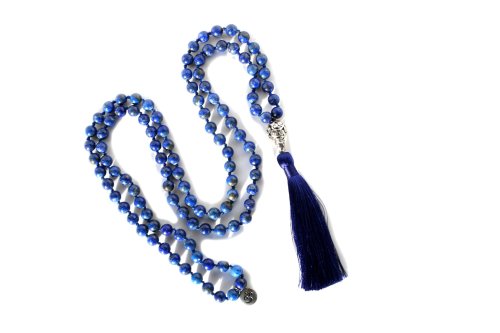
Around the Worlds in 108 Beads (mala)
Each bead a smooth and perfect sphere
Lustrous blue with floating continents of gray
My finger lingers then travels on
To a different world the same
I circumnavigate the strand of 108
Ten thousand splendid worlds within
Ten thousand splendid worlds
I have been to all and none
Beads in mind beads in hand
©
Note: A mala is a strand of 108 beads used in Buddhism and other traditions for chanting, contemplation and meditation. The mala can be carried, or can be worn as a necklace or bracelet. The beads are made from a variety of materials, including gemstones, wood and bone.
Malas are beautiful and powerful. I carry a short mala of 54 tiger’s eye beads in my pocket, the same pocket in which I carry my phone. When I reach for my phone, I am reminded that however wondrous that digital marvel appears to be, it is no match for a strand of beads.
MeruBeads is a premier maker of malas. The lapis lazuli mala pictured above is just one of the many they craft and sell. Please visit.
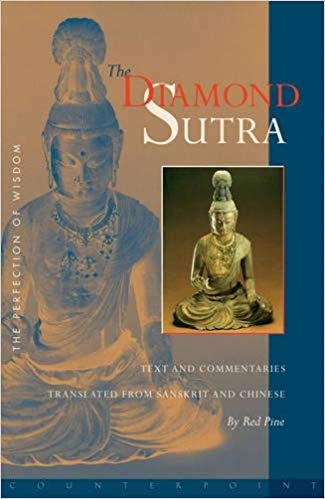
Gatha: A metrical unit of Indian verse that can be anywhere from two to six lines in length. It is sometimes used as a stand-alone poem and sometimes to restate preceding sections of prose.
From The Diamond Sutra, Chapter Thirty-two, translation and commentaries by Red Pine:
The Buddha speaks:
”Furthermore, Subhuti, if a fearless bodhisattva filled measureless, infinite worlds with the seven jewels and gave them as an offering to the tathagatas, the arhans, the fully-enlightened ones, and a noble son or daughter grasped but a single four-line gatha of this teaching of the perfection of wisdom and memorized, discussed, recited, mastered, and explained it in detail to others, the body of merit produced as a result would be immeasurably, infinitely greater.”
Red Pine writes:
The Buddha returns to the comparison he has made throughout this sutra, whereby an offering of the most valuable objects in the world is compared to an offering of a single poem that expresses the truth. As the extent and value of material offerings have steadily increased, the fearless bodhisattva has been presented as the most likely member of the Buddha’s audience to understand the greater value of a good poem. How ironic that at the end of this sutra, the merit of a fearless bodhisattva fails to compare to that of an ordinary person. For even a fearless bodhisattva can become attached to the net of jewels of an illusory world. But the message the Buddha wants to leave with his audience is that the body of merit synonymous with the Buddha’s own diamond body is accessible to anyone, that such a body is a four-line gatha away.
Three Ways Through a Wall
1
Fists feet and head
bruised from banging
barely a crack
2
Build an opening in a wall
a wall around an opening
3
Walk through
what wall?
©
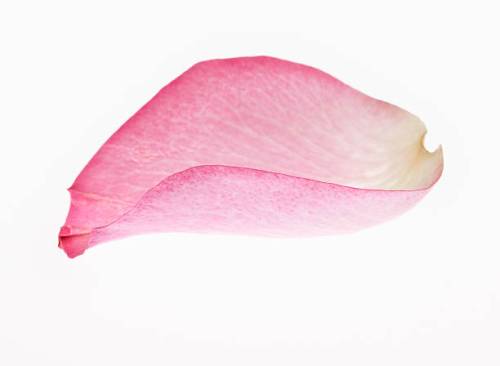
Petal
the petal
pink and curved
scallop edged
delicate barely
vibrating in
an exhaled breath
tentative finger
hovers and descends
to touch it
pliant and firm
©
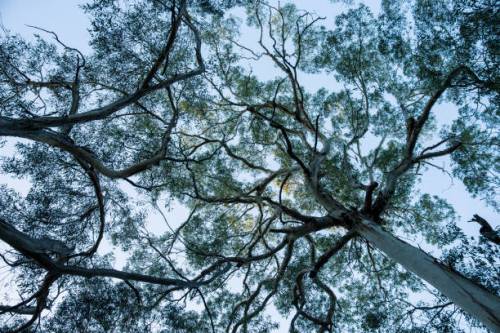
the chattering geniuses
drive singing birds
from nearby branches
©

Caps or no caps
IF I PUT THE CAPS ON
THE WIND WILL JUST
blow them off
©
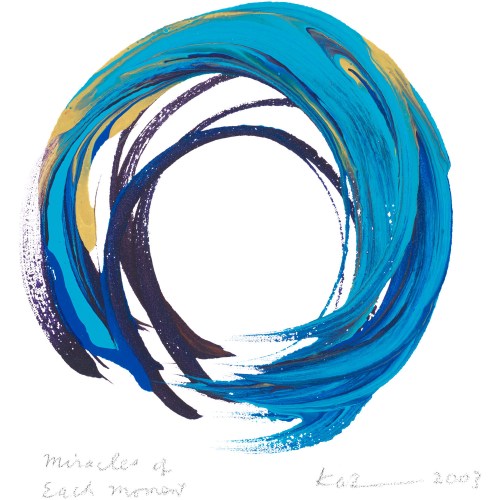
Kazuaki Tanahashi, Miracles of Each Moment
It is possible, possible, possible. It must
Be possible.
Wallace Stevens
The meaning of Christmas depends on who you are. From devout Christians to casual ones, from non-Christians to non-believers in anything but overall goodness, it is still an imposing and inescapable enough day to merit thought and maybe spiritual solace and strength, if that is something you seek.
The lines above are from the great American poet Wallace Stevens. I have for years quoted them out of their context, which is the multi-part epic called Notes Toward a Supreme Fiction.
Entire theses have been written about that masterwork, and I claim no depth to fully comprehend the poem, the poet, or the learned experts about its meaning. One thing I get is that among the Supreme Fictions he notes are the arts of creation and religion.
Those lines are taken from a section entitled It Must Give Pleasure:
It Must Give Pleasure
VII
He imposes orders as he thinks of them,
As the fox and snake do. It is a brave affair.
But to impose is not
To discover. To discover an order as of
A season, to discover summer and know it,
To discover winter and know it well, to find
Not to impose, not to have reasoned at all,
Out of nothing to have come on major weather,
It is possible, possible, possible. It must
Be possible. It must be that in time
The real will from its crude compoundings come,
Seeming at first, a beast disgorged, unlike,
Warmed by a desperate milk. To find the real,
To be stripped of every fiction except one,
The fiction of an absolute — Angel,
Be silent in your luminous cloud and hear
The luminous melody of proper sound.
So on Christmas morning, all that I believe, all that I have studied, all that I have embraced and discarded, tried and tried again, comes down to this. To the new possibility embodied in each birth, of the seeming lowliest to the seeming loftiest, which are themselves labels of convenience and fictional distinction:
It is possible, possible, possible. It must
Be possible.
Second Christmas
The second Christmas
no easier than the first
for parents anxious awaiting
the new next.
Mary dreamt
as mothers will
with a one year old
sleeping beside her.
But sometimes she couldn’t wake
from dreams sweet and bitter
and incomprehensible
other times she couldn’t sleep
the baby slept.
A first birthday
is like any other but better
the count begins
of days and years
seasons and eras
who knows what they bring
what they take
what you give?
Promises of the best
fears of the worst
the finite and infinite
potential of the world.
©

