Bob Schwartz

Confucius discovered the I Ching in his 60s or 70s. It is never too late to discover treasure.
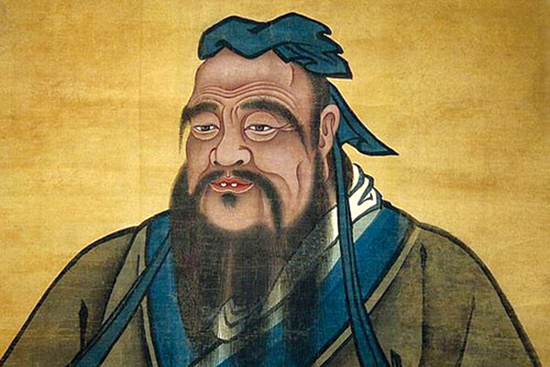
Confucius (551–479 BCE) offered much wisdom to China and the world. Among that wisdom are the Ten Wings commentaries on the I Ching that are attributed to him. The core text of the I Ching dates to around 1000–750 BCE.

This chronology means that Confucius could have been aware of the I Ching throughout his life. Yet it is thought by some that he might have only discovered and paid attention to the I Ching when he was in his 60s or 70s.

This should come as great news to all of us, even if we are not Confucius. There is always time, as long as we are around, to discover treasure, some of which may be right in front of us. With some limitations, it is never too late.
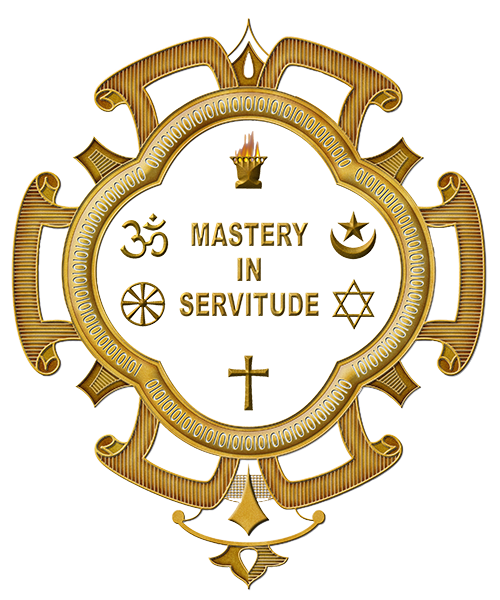
“Mastery in Servitude” is at the heart of all traditions

“Mastery in Servitude” was the motto of spiritual master Meher Baba (1894–1969). It is both a complex concept and a basic one. So basic that it sits at the heart of all spiritual and religious traditions. So complex that it must be applied with great care.

Serving who? Serving how? Mastering what?

Each tradition answers these questions differently. Who and what you are asked to serve or surrender to is different. While it isn’t always made clear by leaders or clearly understood by followers of different traditions, mastery is the same. It is mastery or discovery of the highest form of our humanity. It is that simple.

Not so simple. Careful selection of who and what we serve and how we serve is essential. Examples of misplaced surrender and service abound, resulting at best in lost opportunity, at worst in damage and suffering. On the other hand, even if we make less than helpful choices, these can develop our discernment, so that if and when we do serve again, it will put us on a better path.