In-Ear Monitors (IEMs): A cautionary tale
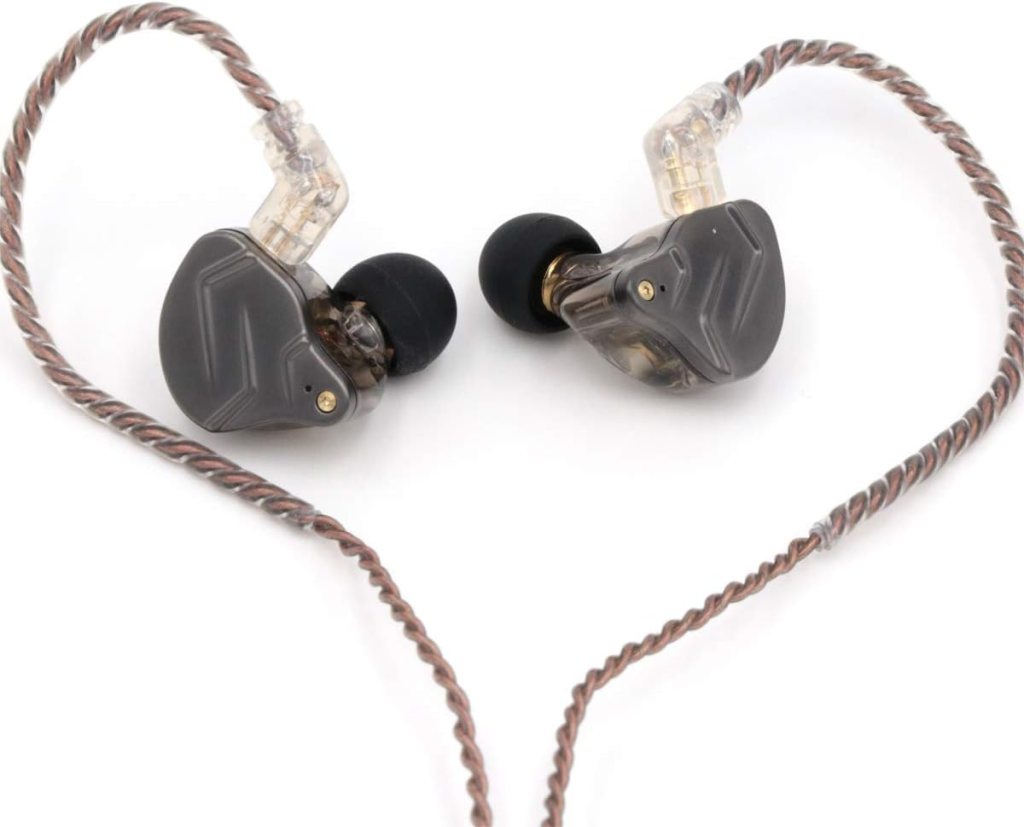
I have been listening to music through ear devices for decades. Being older, that includes single-earphones cabled to a monoraul, low-fi transistor radio.
Over the years, as stereo devices—radios, players, phones—took over, I’ve had many different personal listening tools. Wired, wireless, over the ear, in the ear.
When it comes to amplified music, through speakers or earphones, I have good ears but not smart or genius ears. I would never call myself an audiophile, and neither would those who call themselves audiophiles. But I know better sound when I hear it, so I’m willing to go a little above the bottom tier of amps and speakers, but not a lot.
Spotify, my music streamer of choice, finally is offering what it calls lossless audio. It is not the absolute highest level of audio that other services offer, but it is very good.
There is a small issue about lossless for those who listen, as I mostly do, via Bluetooth. Bluetooth cannot carry lossless, though even degraded it is still high quality. But I did want to try out this new level, and the only way to do that is through wires, to speakers or to earphones.
I still do use wired earphones sometimes, nice but plain vanilla ones (that is, relatively inexpensive). When I looked around, I discovered something that audio people know all about, but as I said, I am not that audio guy.
In-ear monitors (IEMs) are often used by music professionals, on stage or in studio, because the fidelity is greater. To put it in simple terms, they are like tiny powerful speakers you put in your ears.
I got a very modest ($18) pair of IEMs from a reputable tech company. The sound is as good as promised. The lossless audio really does sound better, even to an inexpert ear.
Now the issue, which I could have figured out if I had thought. Instructions for standard earphones and headphones warn about high volume, which they should. But the instructions for these spent lots of time on the matter.
After I tried them, I knew why. I always keep the volume down. Years ago, with earphones in, I accidentally plugged in with my device at unsafe volume and, in the vernacular, I blew my ears out. It was not permanent, but it was a warning.
When I started listening through these IEMs, at a safe low volume, trying out a few classical tracks, it was great. But when I took them out, I felt a bit the way you do after a very loud live concert.
I checked it out, and indeed, IEMs, when used too loud or too often, can cause hearing loss. Which, if you go back to something I said before, is not a surprise, since these are like tiny powerful speakers in your ears.
What now? Is the extra bit of audio quality worth it, or should I just be listening to this excellent audio through speakers or less dangerous earphones?
A lot of star musical artists have lost their hearing because of their art. I am not a star or musical artist, standing among columns of speakers, playing to millions. I’m definitely not Beethoven. I’m just a guy who loves listening to music.
The new IEMs are sitting here. Will I use them again? We’ll see. And hear.
 Bob Schwartz