Trump’s wisdom on overconsumption
Even a blind pig can find an acorn.
In May, Trump tried to explain why any impact from his China tariffs was justified:
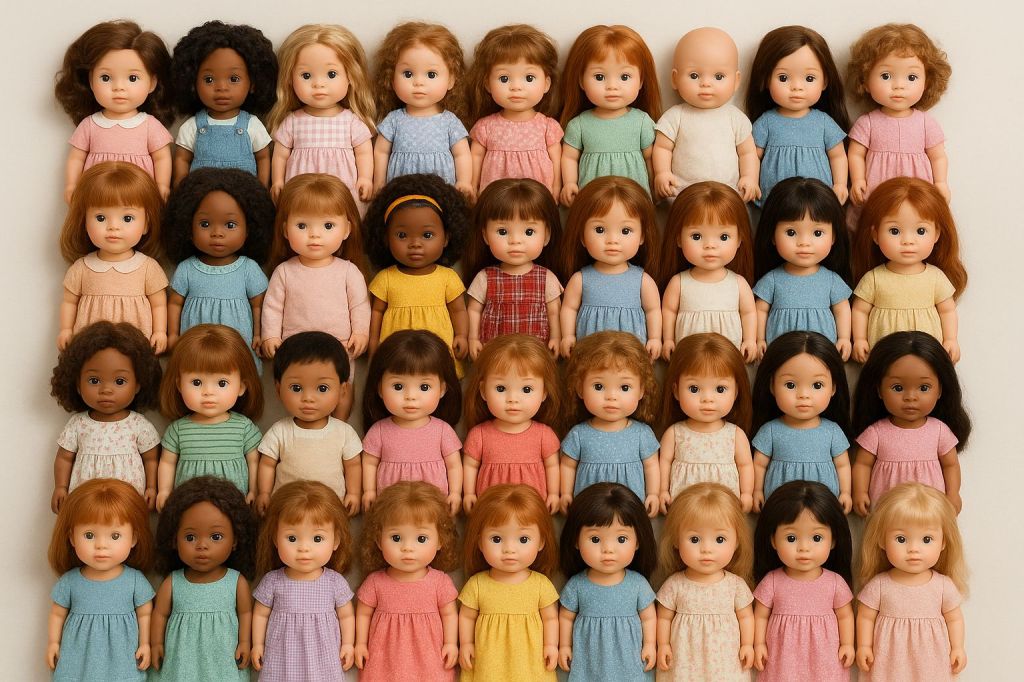
“All I’m saying is that a young lady, a 10-year-old girl, 9-year-old girl, 15-year-old girl, doesn’t need 37 dolls.”
and
“I don’t think that a beautiful baby girl needs — that’s 11 years old — needs to have 30 dolls. I think they can have three dolls or four dolls because what we were doing with China was just unbelievable.”
Most observers got lost in the sheer looniness and cringiness of the details, as they understandably often do.
But in there is a message that is surprising coming from an ultra-maximalist buyer and seller (though perhaps not entirely surprising from someone who is known to appreciate beautiful younger girls). It is a message endorsing prudent consumption. Do beautiful baby girls (11 years old?) really need 30 or 37 dolls? Three or four may be enough.
Overconsumption is both an issue in America and the way we support the economy. If Trump’s wisdom was embraced, toy sales might be reduced by 90%. If we extrapolated that to sales in general, the recession would be almost instant.
Still, a wise guy like Trump deserves credit for a moment of unexpected clarity. Of course, when he finds those beautiful girls who don’t have all the dolls they want, maybe he can help.


 Bob Schwartz