We can live an alternative history now: The Man in the High Castle by Philip K. Dick
by Bob Schwartz
Philip K. Dick (PKD) was a genius and visionary creative. Nobody’s mind is like anybody else’s, but his was more unlike than most. He had worlds in his mind that were like this one but were not at the same time. It is why so many of his books and stories became groundbreaking movies and why he was by some standards not standard.
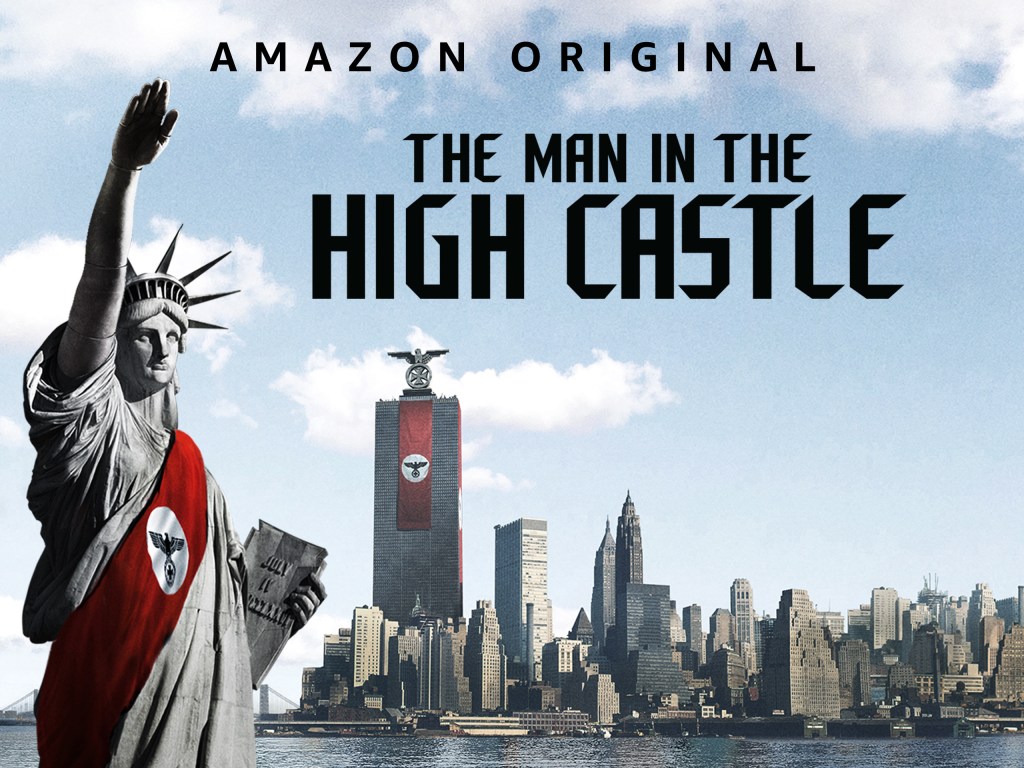
The Man in the High Castle, original novel and extended TV expansion, is about history “as it happened” and history “as it might otherwise be”. Sometimes this is called alternative or counterfactual history. What if _? In this case, what if Germany and Japan had won World War II?
Except at the same time that Germany and Japan won World War II they lost World War II. Despite substantial real-life evidence that they won the war and control the world, there are films proving that they lost and that the Allies won. Of course, in the world we live in, in the history we know, the Allies did win the war. So why wouldn’t there be films depicting that victory and the Axis defeat?
In the world of The Man in the High Castle, these are just films and not just films. They are acts of imagination just as the novel—all of PKD’s novels, all histories—are acts of imagination.
Can you live in a world of imagination? That is precisely the accusation that PKD’s behavior sometimes elicited, that he was mentally unstable. But he recognized that we live in a world not just of imagination but of constant and immediate change, reflected in his theme of the I Ching in The Man in the High Castle.
If you live in an oppressive world where Hitler won the war but you have reason to believe that you are actually living in a world where Hitler lost the war, are you unrealistic or even crazy? Or is it crazy not to believe in the possibility? To surrender needlessly and prematurely? Is change not only possible but inevitable? Do you need alternative films to prove it?
 Bob Schwartz