The wolf shall live with the lamb; the leopard shall lie down with the kid; the calf and the lion will feed together, and a little child shall lead them. Isaiah 11:6
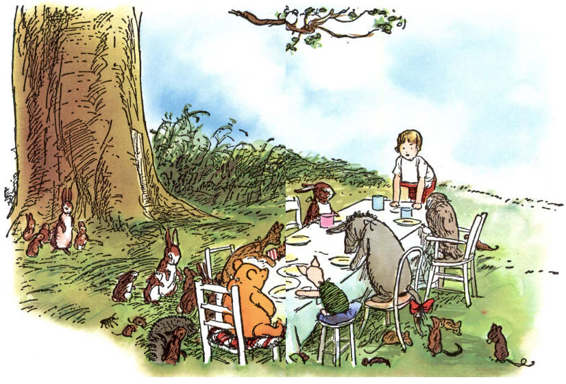
Christopher Robin had made a long table out of some long pieces of wood, and they all sat around it. Christopher Robin sat at one end, and Pooh sat at the other, and between them on one side were Owl and Eeyore and Piglet, and between them on the other side were Rabbit, and Roo and Kanga. And all Rabbit’s friends-and-relations spread themselves about on the grass, and waited hopefully in case anybody spoke to them, or dropped anything, or asked them the time. Winnie-the-Pooh, Chapter Ten, In Which Christopher Robin Gives Pooh a Party, and We Say Good-bye
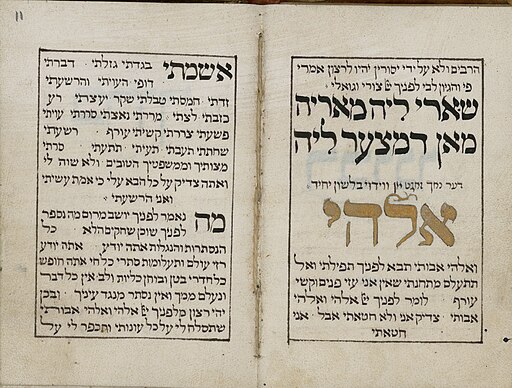
Ashamnu אָשַׁמְנוּ nahn maswuwlun نحن مسؤولون We are responsible
Bagadnu בָּגַדְנוּ nahn nakhun نحن نخون We betray
Gazalnu גָּזַלְנוּ nahn nasriq نحن نسرق We steal
Dibarnu dofi דִבַּרְנוּ דֹפִי nahn nahtaqir نحن نحتقر We scorn
He-evinu הֶעֱוִינוּ nahn natasaraf bishakl munharif نحن نتصرف بشكل منحرف We act perversely
V’hirshanu וְהִרְשַׁעְנוּ nahn qusa نحن قساة We are cruel
Zadnu זַדְנוּ nahn nukhatit نحن نخطط We scheme
Chamasnu חָמַסְנוּ nahn eanifun نحن عنيفون We are violent
Tafalnu shaker טָפַלְנוּ שֶקֶר nahn alaiftira’ نحن الافتراء We slander
Ya-atznu ra יָעַצְנוּ רַע nahn nabtakir alshara نحن نبتكر الشر We devise evil
Kizavnu כִּזַבְנוּ nahn naqul al’akadhib نحن نقول الأكاذيب We lie
Latznu לַצְנוּ nahn naskhar نحن نسخر We ridicule
Maradnu מָרַדְנוּ nahn naesi نحن نعصي We disobey
Ni-atznu נִאַצְנוּ nahn nasi’ نحن نسيء We abuse
Sararnu סָרַרְנוּ nahn natahadak نحن نتحداك We defy
Avinu עָוִינוּ nahn nufsid نحن نفسد We corrupt
Tzararnu צָרַרְנוּ nahn eadaayiyuwna نحن عدائيون. We are hostile
Kishinu oref קִשִׁינוּ עֹרֶף nahn eanidun نحن عنيدون We are stubborn
Rashanu רָשַׁעְנוּ nahn ghayr ‘akhlaqiiyn نحن غير أخلاقيين We are immoral
Shichatnu שִׁחַתְנוּ nahn naqtul نحن نقتل We kill
Tiavnu תִּעַבְנוּ nahn nufsid نحن نفسد We spoil
Ta·inu תָּעִינוּ nahn nudil نحن نضل We go astray
Titanu תִּעְתָּעְנוּ nahn naqud alakharin ‘iilaa aldalal نحن نقود الآخرين إلى الضلال We lead others astray
The Jewish High Holidays 5785/2024—the ten Days of Repentance and Awe—begin with Rosh Hashanah, the New Year, on the evening of October 2, and end with Yom Kippur, the Day of Repentance, on October 10.
Confession is a centerpiece of the holiday. In the liturgy, Vidui includes two confessional prayers, Ashamnu and Al Cheit. Ashamnu is the shorter list of transgressions. Al Cheit is a longer detailed list of particular wrongdoings.
The past year has been one of tragedy, suffering and war in Israel, Gaza, the Middle East, and the Jewish world. Whatever our faith, status, history, ideology, grievances, or rationales, we are reminded now that none of is above responsibility, none of us as above the need for confession.
Above is my adaptation of Ashamnu. In Hebrew it is an acrostic, the first letter of each line in alphabetical order. English translations of those words vary, but all are admissions of conduct to be fixed in the year ahead. I’ve changed the common translation of the first word, Ashamnu. Often translated as “we have trespassed” or “we are guilty”, I have borrowed from Abraham Joshua Heschel. He famously said about his early protest of the Vietnam War: “In a free society, few are guilty, but all are responsible.”
My version also adds a rough translation of each expression into Arabic. Not in the least literate in the language, I’ve relied on a digital translator. For any errors in this, small or egregious, my humble and sincere apologies.
The message is that all of us, from the heinous to the heavenly, are responsible. The High Holidays insist that we are imperfect in ways that we may not acknowledge or may ignore. Our hearts may be hard when they should be soft. Why else do we literally beat our chests as we recite each of our wrongs? So we can locate our hearts, reach in, and know what condition they are in.

 Bob Schwartz