Bob Schwartz

Assault Weapons: The Art of the Art of the Possible

Bushmaster ACR
Watching Joe Biden back off the primacy of an assault weapons ban in the curbing of gun violence—following Senator Diane Feinstein’s introduction of exactly that legislation—is discouraging. And it brings to mind Picasso and Pollock, among others.

Politics is said to be the art of the possible. The motto is roughly “we fight the fights we can win.” Very pragmatic, and there is something to commend pragmatism. That won’t be much comfort, though, when well-meaning politicians have to show up at the next inevitable massacre and solemnly announce that they aimed at the possible, and even then settled for half.

Exactly what kind of art is politics?

Here’s a style of art, the kind everybody finds acceptable and can endorse. Who is going to argue about Rembrandt?

Rembrandt - Self Portrait
Then again, over time there were a number who wanted to argue about and with Rembrandt. By the time the twentieth century rolled around, artists wondered why they had to pay slavish homage to ideas that no longer suited the times. They determined that new ways were not only possible, but that they must be possible.

And so Picasso

Picasso - Les Demoiselles D'Avignon

and Jackson Pollock

Pollock - No. 5
Maybe every progressive politician who is wavering on support for an assault weapons ban needs to visit some museums with modern art; there are plenty in Washington. Then maybe they will discover what real courageous progress is. The possible is limited only by our imagination, spirit and will. That’s the real art.
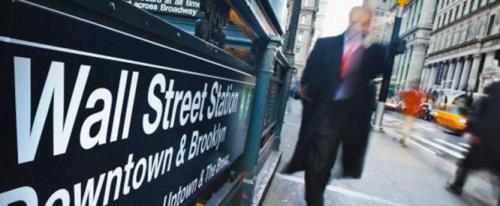
The Untouchables: No Justice On Wall Street

The Untouchables
This week, PBS Frontline aired a follow-up to its powerful documentary Money, Power & Wall Street, which covered the origins and aftermath of the 2008 financial meltdown. The Untouchables is an equally scathing and disturbing story about the failure of the Justice Department to prosecute any Wall Street executives for fraud, in the wake of their apparently knowing securitization and sale of worthless mortgages.

For those who wonder whether investigative journalism still matters, this happened yesterday:

Lanny Breuer, the head of the DOJ Criminal Division featured in the documentary, resigned. Questions about why criminal prosecutions have taken so long—and whether there will ever be any—linger like a bad odor.

Mary Jo White, a former federal prosecutor, was nominated to be the next chairwoman of the Securities and Exchange Commission. Richard Cordray, another former prosecutor, was renominated to be director of the Consumer Financial Protection Bureau. The president said these nominations would help prevent a financial crash like the one he inherited four years ago.

People say that the new movie Zero Dark Thirty serves as a thought-provoking wake-up call about the role of torture and, ultimately, the effectiveness and judgment of President Obama. It has been said that those who support the president might find the film unnerving.

The Untouchables is much more unnerving, not just in looking at the president, but in looking at Attorney General Holder, at overseers,  and at all the others who seem to be strangely—or not so strangely—beholden to Wall Street.

Watch The Untouchables, then go back and watch Money, Power & Wall Street. Like all great investigative journalism, it is darkly entertaining, and like all unvarnished views of how government works, it is profoundly discouraging. But necessary.